
Green coffee beans are highly sensitive to moisture, odor, contamination, handling, and storage conditions. A well-designed Jute Liner for Green Coffee Bean Packaging can provide an important protective layer between the beans and their external environment while supporting efficient transportation and storage. This guide explains how jute liners work, why they matter, what problems they can solve, how to select a suitable liner, and how proper packaging practices can help preserve green coffee bean quality from origin to destination.
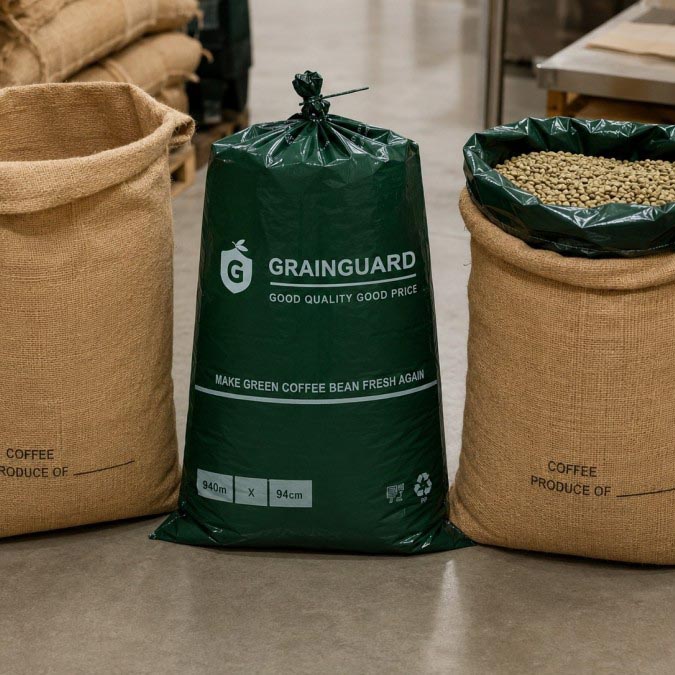
Table of Contents
- What Is a Jute Liner for Green Coffee Bean Packaging?
- Why Is Protective Packaging Important for Green Coffee Beans?
- How Does a Jute Liner Protect Green Coffee Beans?
- Which Packaging Problems Can a Jute Liner Help Solve?
- What Makes Jute Suitable for Coffee Packaging?
- How Should Buyers Select a Jute Liner?
- How Is a Jute Liner Used in the Packaging Process?
- Jute Liner Compared With Other Packaging Solutions
- What Quality Factors Should Importers Check?
- Best Practices for Storage and Transportation
- Frequently Asked Questions
- Conclusion
What Is a Jute Liner for Green Coffee Bean Packaging?
Green coffee beans are agricultural products that continue to interact with their surroundings after processing. Although they are more stable than roasted coffee, they can still absorb moisture and odors when exposed to unsuitable storage conditions. Packaging therefore plays an important role in maintaining the physical and sensory characteristics of the beans during handling, warehousing, export, and long-distance transportation.
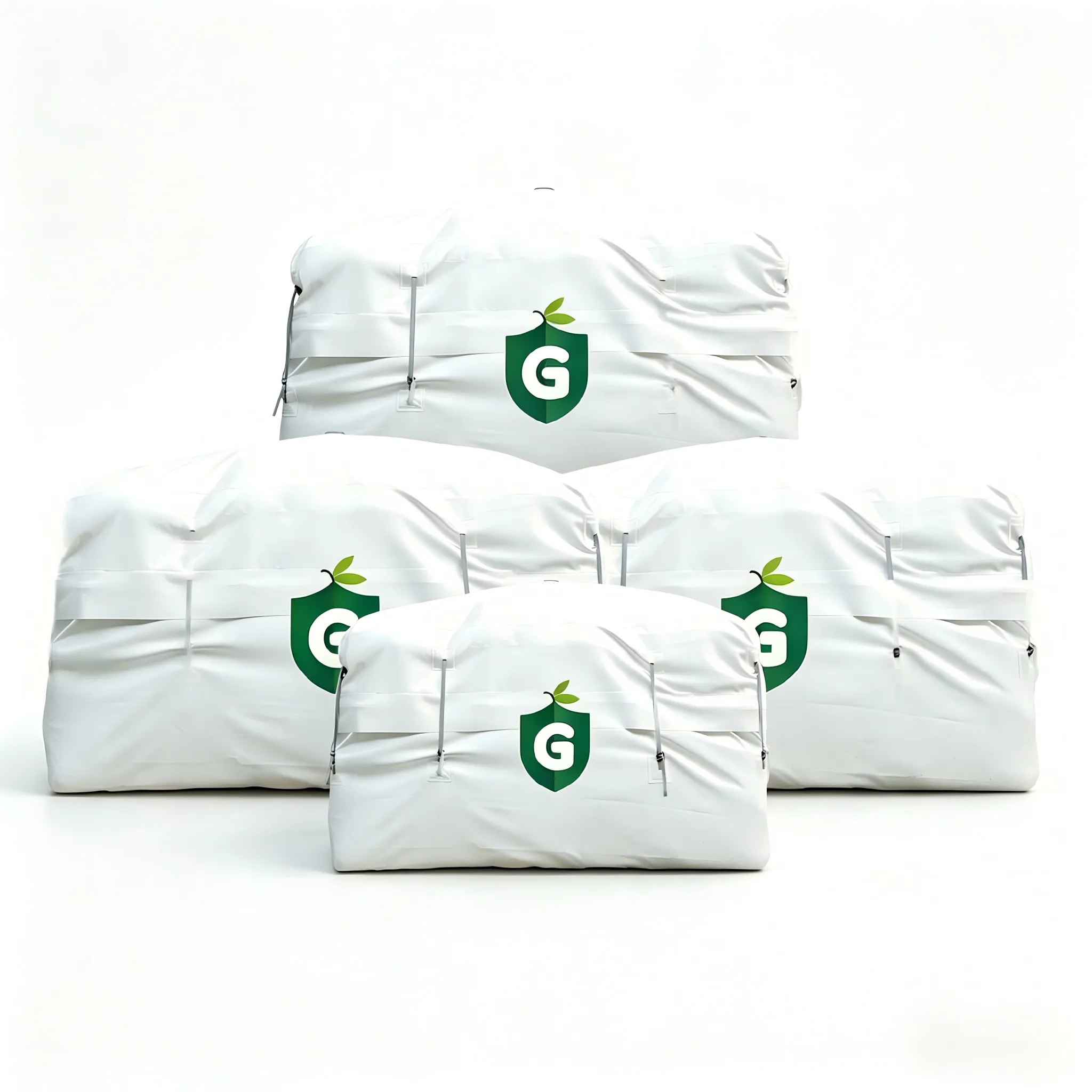
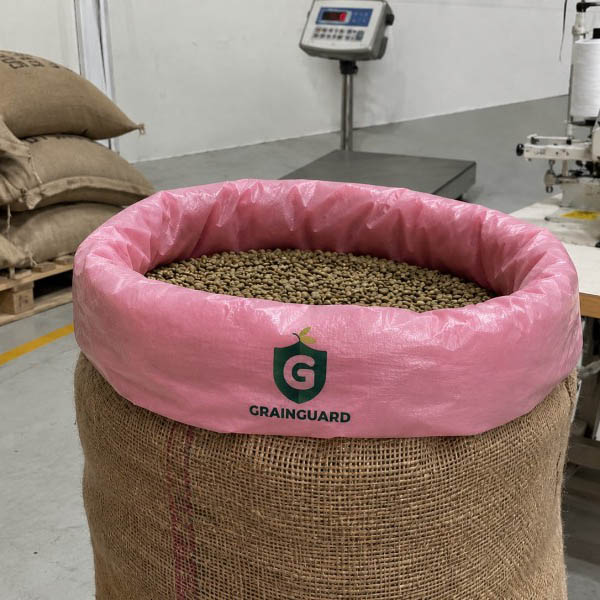
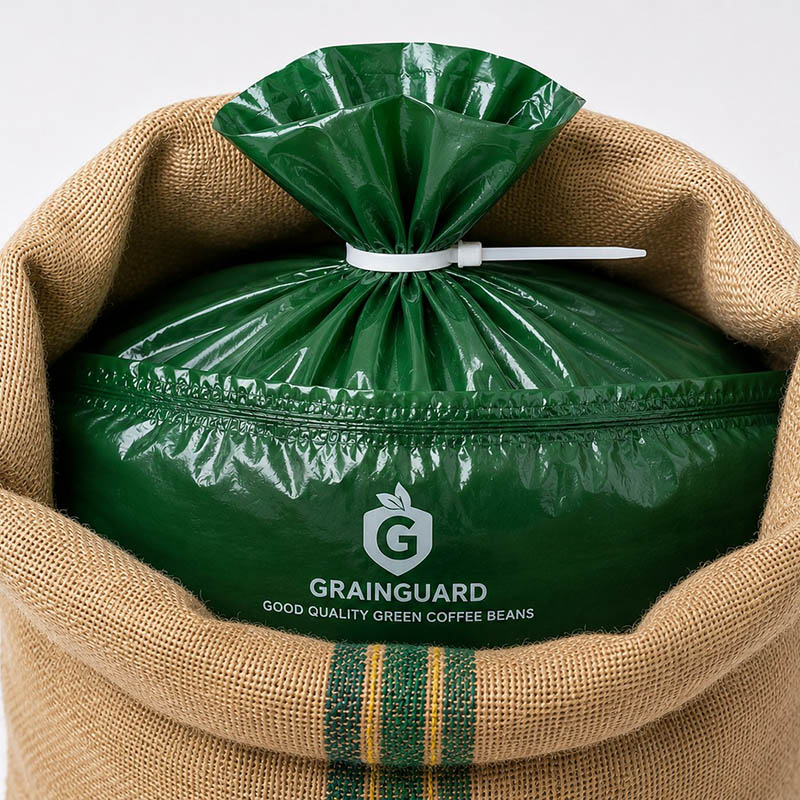
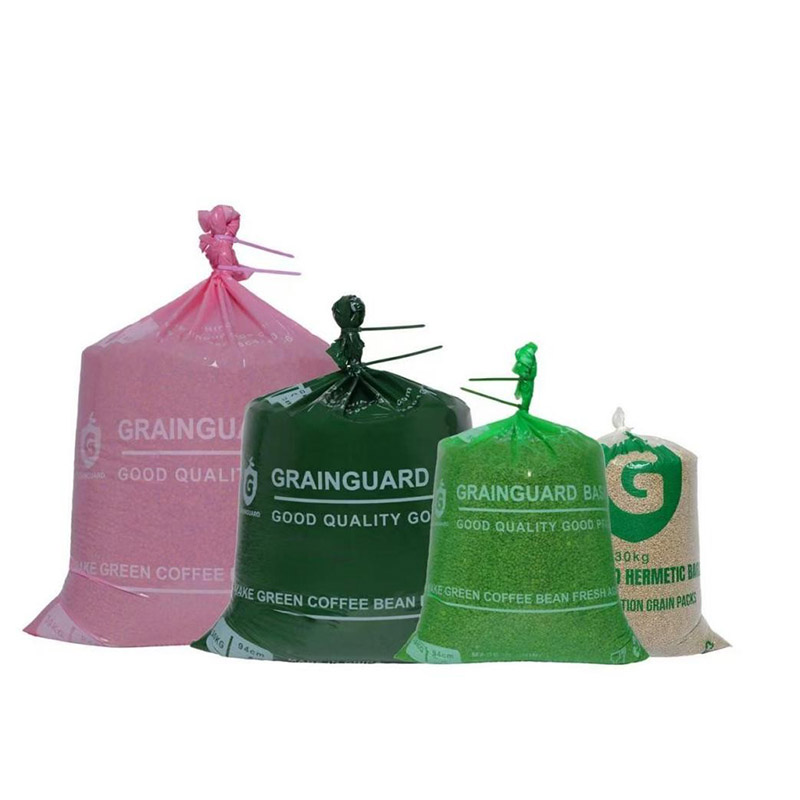
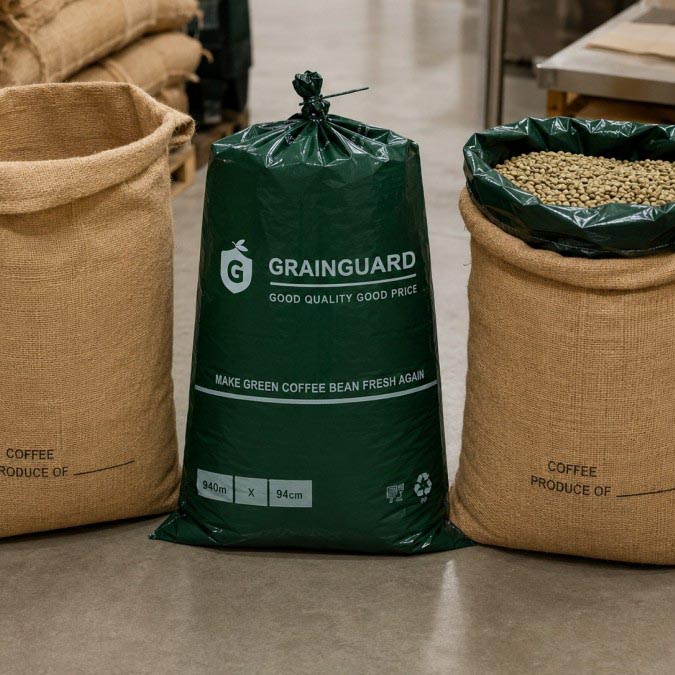
A Jute Liner for Green Coffee Bean Packaging is a protective packaging component designed to work with jute coffee bags or other outer sacks. The liner creates an additional barrier between the green coffee beans and the surrounding environment. Depending on the packaging design, material structure, and intended application, it can help reduce exposure to humidity, dust, foreign odors, and other external influences.
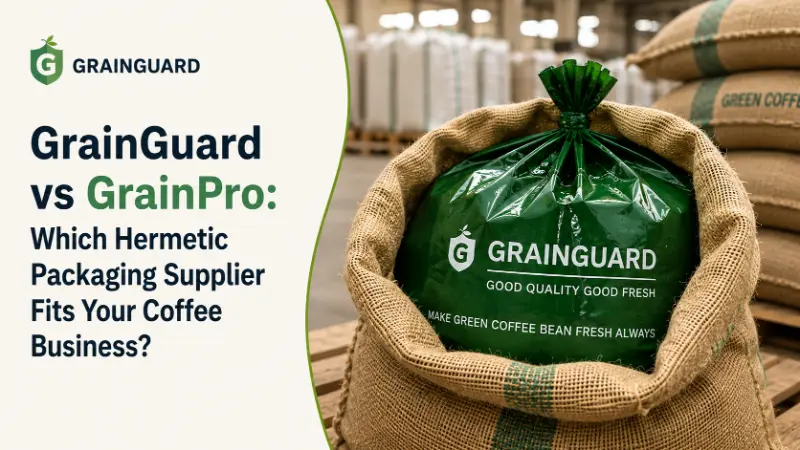
The jute outer bag and the inner liner can perform complementary functions. Jute provides strength, traditional appearance, stackability, and handling convenience, while the liner can provide additional protection for the product itself.
Why Is Protective Packaging Important for Green Coffee Beans?
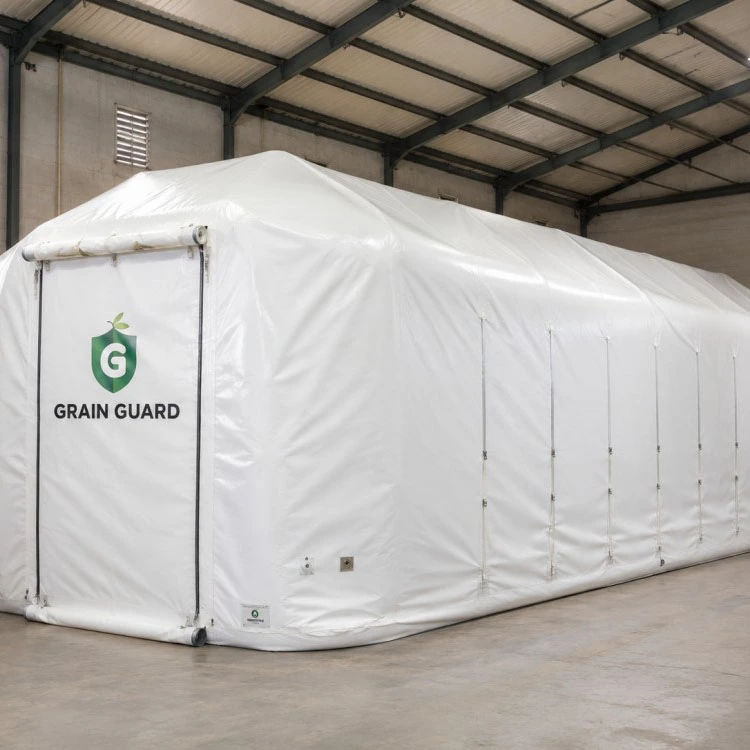
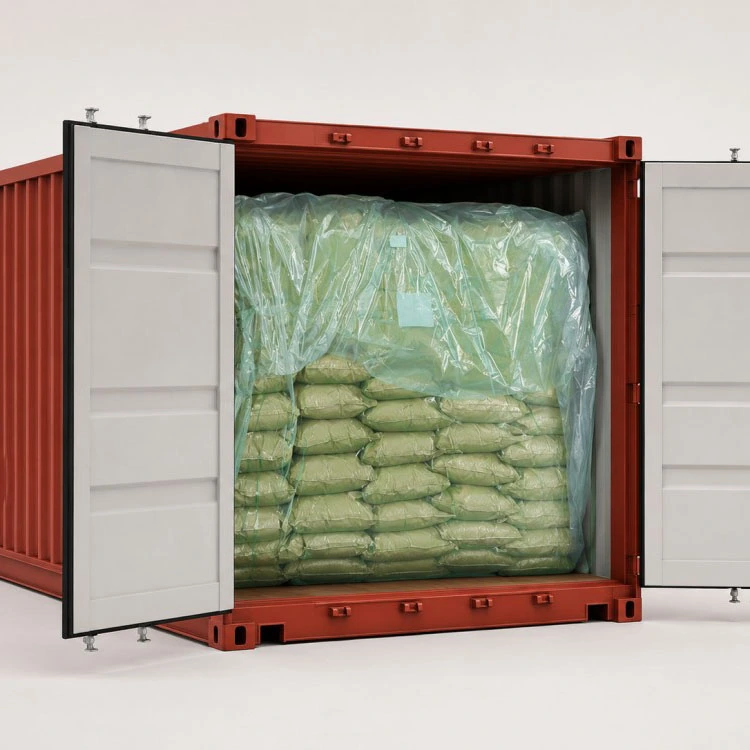
Coffee can travel thousands of kilometers between producing regions, exporters, importers, warehouses, roasters, and distributors. During this journey, packages may experience changing temperatures, humidity, condensation risks, compression, rough handling, and extended storage periods.
The main concern is not simply whether the bag remains physically intact. The packaging must also help maintain a suitable internal environment for the coffee. Excessive moisture can contribute to quality deterioration, while exposure to strong odors can affect the product because coffee readily interacts with its surroundings.
Effective packaging can therefore support several commercial objectives:
- Reducing unwanted environmental exposure.
- Protecting beans during international transportation.
- Supporting longer and more reliable storage.
- Reducing contamination risks caused by dust and foreign materials.
- Helping maintain the expected quality of green coffee.
- Improving the consistency of packaging operations.
- Providing an additional protective layer without replacing the structural outer sack.
For coffee exporters and importers, these benefits can translate into fewer packaging-related quality concerns and better control over the product throughout the supply chain.
How Does a Jute Liner Protect Green Coffee Beans?
A properly selected liner works by creating a controlled separation between the green coffee beans and the external environment. Its performance depends on the specific liner material, thickness, construction, sealing method, and storage conditions.
| Potential Risk | Role of the Liner | Practical Benefit |
|---|---|---|
| Humidity exposure | Provides an additional protective layer | Helps reduce unwanted moisture interaction |
| Dust and foreign particles | Separates beans from the outer environment | Supports cleaner product handling |
| External odors | Creates additional separation from surrounding materials | Helps reduce odor-transfer risks |
| Transportation exposure | Works together with the outer jute bag | Provides layered packaging protection |
| Long-term storage | Helps isolate the product from changing external conditions | Supports more consistent storage performance |
It is important to understand that no liner can compensate for poor storage conditions. Packaging should be considered one part of a complete preservation strategy. Warehouses should remain clean, dry, well managed, and protected from strong odors and sources of contamination.
Which Packaging Problems Can a Jute Liner Help Solve?
Coffee businesses often encounter packaging challenges that are not obvious until the product reaches a warehouse or destination market. A suitable liner can address several common pain points.
- Moisture-related concerns: Green coffee can be affected by excessive moisture. An appropriate liner can provide an additional barrier and help reduce environmental exposure.
- Foreign odor exposure: Coffee may be stored or transported around other goods. Additional packaging separation can help reduce the opportunity for unwanted odors to reach the beans.
- Dust and contamination: The outer surface of a jute sack may encounter dust during loading, unloading, or warehouse handling. An inner liner can provide an additional clean layer around the coffee.
- Inconsistent packaging performance: Standardized liners can make packaging operations more repeatable across production batches.
- Long-distance logistics: Export shipments can experience different climatic conditions. Layered packaging provides additional protection during these transitions.
These advantages are especially relevant when green coffee is expected to remain in storage for an extended period or travel through regions with significantly different environmental conditions.
What Makes Jute Suitable for Coffee Packaging?
Jute has a long history in agricultural and commodity packaging. Its natural fiber structure provides useful mechanical properties while its appearance is strongly associated with traditional coffee and agricultural packaging.
Jute is particularly valuable as an outer packaging material because it can provide a combination of strength, flexibility, breathability, and handling convenience. When paired with a suitable liner, the packaging system can combine the functional advantages of the outer sack with additional protection for the product.
However, buyers should distinguish between the jute outer bag and the inner liner. Jute itself is not automatically a moisture barrier. The liner is used when a higher level of separation or environmental protection is required.
How Should Buyers Select a Jute Liner?
Choosing a liner is a technical purchasing decision. A product that works well for one coffee supply chain may not be suitable for another. Buyers should evaluate the complete application before placing a large order.
- Bag dimensions: Confirm the liner length, width, gusset requirements, and overall compatibility with the outer sack.
- Material structure: Ask for clear information about the liner material and construction.
- Thickness: Select a suitable thickness according to the required level of protection and handling conditions.
- Sealing requirements: Check whether the liner will be heat sealed, tied, stitched, or closed using another method.
- Filling equipment: Ensure the liner fits the existing filling and packaging process.
- Transportation conditions: Consider container transport, climate variation, storage duration, and handling frequency.
- Cleanliness: Packaging that comes into direct contact with food-related products should be produced and handled under appropriate cleanliness controls.
- Customization: Large-volume buyers may require customized sizes, structures, printing, or packaging configurations.
Before purchasing in bulk, it is sensible to test the liner under realistic conditions. A trial should include filling, closing, stacking, warehouse storage, transportation simulation where practical, and inspection after handling.
How Is a Jute Liner Used in the Packaging Process?
The exact process varies according to the coffee producer and packaging equipment, but a typical workflow can be organized into several stages.
Inspect the jute bag for damage, excessive contamination, loose stitching, or dimensional problems before inserting the liner.
Position the liner evenly inside the jute bag. Avoid excessive folding or twisting that could interfere with filling.
Fill the package according to the specified net weight and packaging procedure while minimizing unnecessary exposure to moisture and contamination.
Depending on the liner structure and packaging method, the packaging process may include controlled air removal before closing.
Use the appropriate sealing or closure method for the selected liner. Consistent closure is essential for maintaining packaging performance.
Secure the jute bag and inspect the finished package for leakage, damaged seams, incorrect dimensions, or other visible defects.
Jute Liner Compared With Other Packaging Solutions
Different coffee packaging systems are designed for different logistics and storage requirements. The right solution depends on the desired balance between protection, cost, handling, sustainability objectives, and operational compatibility.
| Packaging Approach | Main Strength | Typical Consideration |
|---|---|---|
| Jute bag without liner | Traditional appearance and strong outer structure | Provides less separation from environmental exposure |
| Jute bag with liner | Combines an established outer sack with additional product protection | Requires appropriate liner specification and closure |
| High-barrier specialty packaging | Can provide enhanced environmental protection | May involve different costs, equipment, and handling requirements |
| Simple plastic inner bag | Basic separation and moisture protection | Performance depends heavily on material quality and closure method |
For many coffee businesses, the key question is not which material is universally best, but which packaging structure provides an appropriate level of protection for the intended supply chain.
What Quality Factors Should Importers Check?
Buyers should request measurable specifications rather than relying solely on product descriptions. Clear documentation can make supplier comparison easier and reduce uncertainty during large-scale procurement.
- Material type and construction.
- Liner dimensions and dimensional tolerance.
- Thickness or relevant material specifications.
- Seam and sealing quality.
- Cleanliness and production handling.
- Packaging consistency between production batches.
- Compatibility with the intended outer jute bag.
- Compatibility with filling and closing equipment.
- Available customization options.
- Production capacity and delivery schedule.
- Quality inspection and documentation procedures.
For international buyers, supplier communication is also important. Technical drawings, samples, product specifications, packing details, and agreed inspection criteria can help prevent misunderstandings before mass production begins.
Best Practices for Storage and Transportation
Even the best packaging can perform poorly when storage conditions are unsuitable. Green coffee should be handled with a packaging and logistics strategy that considers the entire journey.
- Keep storage areas clean and dry. Avoid unnecessary exposure to water, condensation, and high humidity.
- Prevent contact with strong-smelling goods. Coffee should not be stored next to materials that could introduce unwanted odors.
- Use appropriate pallet and stacking practices. Avoid excessive compression or unstable stacking.
- Inspect packages regularly. Check for damaged bags, compromised closures, or signs of environmental exposure.
- Control warehouse conditions. Stable environmental conditions can reduce unnecessary stress on the packaging system.
- Plan for international transit. Consider temperature changes, container conditions, loading practices, and transit duration.
- Follow product-specific requirements. Packaging should be selected according to the coffee's quality requirements and the applicable destination-market regulations.
Good packaging management is ultimately about reducing preventable risks. A liner is most effective when it is integrated into a carefully controlled packaging, storage, and transportation process.
Frequently Asked Questions
Its primary purpose is to provide an additional protective layer between green coffee beans and the surrounding environment. Depending on the material and construction, it can help reduce exposure to moisture, dust, odors, and other external influences.
Performance depends on the liner material, structure, closure method, and environmental conditions. No packaging should be considered completely protective under every condition. Proper storage and transportation practices remain essential.
Many liner suppliers can provide customized dimensions and packaging configurations. Buyers should provide accurate bag measurements and clearly communicate filling, sealing, and handling requirements.
Not necessarily. The requirement depends on the packaging design, destination, storage period, transportation conditions, coffee specifications, and desired level of environmental protection.
A practical trial should simulate the actual packaging process. Fill the liner, apply the intended closure, place it inside the outer bag, stack the finished packages, and inspect them after handling and storage. For large commercial projects, additional testing may be appropriate.
Provide the required liner dimensions, bag size, material requirements, estimated order quantity, sealing method, packaging application, destination, customization needs, and expected delivery schedule. More precise specifications generally lead to more accurate quotations and samples.
SYON Packaging Technology (Qingdao) Co., Ltd. can be considered as a supplier option for buyers seeking packaging solutions tailored to specific applications. When discussing a project, buyers should provide detailed product dimensions, packaging requirements, target quantity, and expected performance so the appropriate solution can be evaluated.
Conclusion
Green coffee bean quality can be influenced by conditions long before roasting begins. From the producing region to the final warehouse, packaging must withstand handling, transportation, storage, and changing environmental conditions while helping protect the product from avoidable external exposure.
A Jute Liner for Green Coffee Bean Packaging provides an additional protective layer that can complement the strength and traditional characteristics of a jute outer bag. Its value is particularly clear when buyers need better control over environmental exposure, cleanliness, odor separation, and transportation risks.
The most effective approach is to select the liner according to the actual application rather than choosing solely by price or appearance. Dimensions, material construction, sealing method, storage conditions, transportation distance, and handling requirements should all be considered before mass production.
For coffee exporters, importers, green coffee traders, and packaging distributors, a well-specified liner can become an important part of a reliable packaging system. Careful supplier evaluation, sample testing, clear specifications, and consistent quality control can further improve packaging performance throughout the supply chain.
Looking for a Reliable Green Coffee Packaging Solution?
If you are sourcing a Jute Liner for Green Coffee Bean Packaging for export coffee, long-term storage, or customized packaging applications, contact SYON Packaging Technology (Qingdao) Co., Ltd. with your bag dimensions, required specifications, order quantity, and packaging requirements.
Contact us to discuss your project, request product information, and explore a packaging solution designed around your actual coffee supply chain.
Packaging performance depends on material selection, product specifications, closure methods, storage conditions, transportation, and handling practices. Product testing under actual or simulated operating conditions is recommended before commercial-scale adoption.