
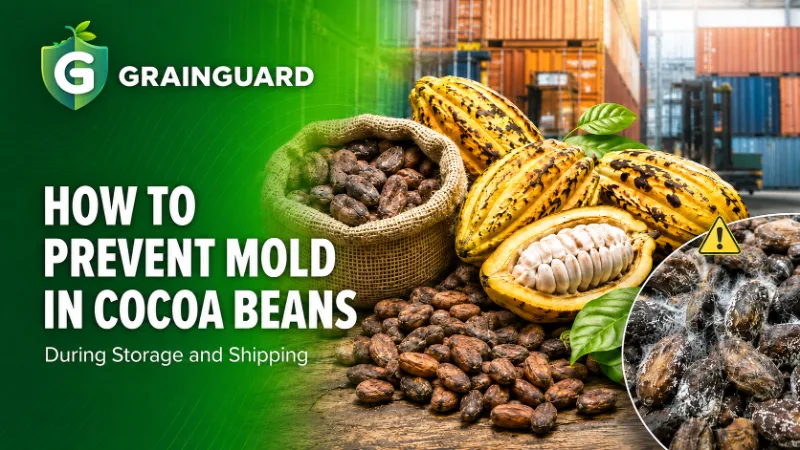
Mold is one of the most significant quality risks in the cocoa trade. A shipment that develops visible mold or musty off-flavor may be discounted, rejected, subjected to additional testing, or become the subject of a commercial claim. The risk is not random. It is strongly influenced by bean moisture, re-wetting, storage conditions, temperature changes and the way the cocoa is protected during transport.
This guide explains how exporters can reduce mold risk from drying at origin through warehouse storage and ocean shipment. Cocoa must be properly dried first, protected from taking up moisture again, and packed and transported in a way that limits avoidable exposure.
Cocoa is commonly produced in warm and humid regions, and the beans may pass through farms, buying centers, warehouses, trucks, ports and shipping containers before reaching the buyer. Each stage can change the moisture and temperature conditions around the cargo.
Mold can damage flavor and physical quality and may also be associated with food safety concerns. Some fungal species are capable of producing mycotoxins such as ochratoxin A. The Codex Alimentarius therefore has a specific code of practice for reducing ochratoxin A contamination in cocoa, with strong emphasis on correct drying, prevention of re-wetting, good storage and careful transportation.
For European trade, the current EU contaminants framework includes an ochratoxin A maximum for cocoa powder. Raw cocoa beans are not given that same finished-product limit, but buyers may still set their own bean specifications and testing programs because poor post-harvest handling can affect the safety and quality of downstream products.
Fungal spores are common in agricultural environments. Whether they grow depends on the conditions around the beans. Available moisture is the most important factor exporters can manage, but temperature, storage time, air movement, bean condition and contamination pressure also matter.
Industry guidance generally aims for cocoa beans to be well fermented and thoroughly dried to around 7 to 7.5 percent moisture. ICCO identifies about 7.5 percent as appropriate for secure storage for a limited period in tropical conditions, while European cocoa industry guidance treats 8 percent as an upper limit. Cocoa that is excessively dry can also become more brittle, so the objective is controlled drying rather than simply making the beans as dry as possible.
Mold prevention begins before the beans enter a warehouse or package. ICCO guidance describes about 7.5 percent moisture as appropriate for secure storage for a limited period in tropical conditions, while the European cocoa industry guide notes that manufacturers generally expect around 7 percent and identifies 8 percent as an absolute maximum.
● Use a calibrated moisture meter and test a representative sample from each lot rather than relying on a single reading.
● Dry the cocoa gradually and evenly. Drying that is too slow increases mold risk, while drying too quickly can negatively affect flavor development.
● Protect drying cocoa from rain and dew and do not mix beans at very different drying stages.
● If beans are re-wetted, dry them again and confirm moisture before storage or shipment.
● Allow the beans to stabilize after drying before final packing and avoid exposing the lot to rain, dew or other sources of re-wetting during the packing process.
Correctly dried cocoa can take up moisture again during storage. Codex guidance therefore recommends dry, weatherproof and well-aerated storage, with cocoa protected from dampness, contamination and pest activity. For longer storage, relative humidity should be kept below 70 percent.
● Keep cocoa bags on clean pallets and away from walls so the stacks can be inspected and air can circulate around them.
● Use storage buildings that remain dry during rain and have no roof leaks or water entry points.
● Keep cocoa away from smoke, fuel, chemicals, strong odors and other materials that can contaminate the beans.
● Identify lots clearly and use a disciplined stock rotation system so older cocoa is not forgotten.
● Monitor moisture periodically during storage and investigate any damp patches, musty odors or visible mold immediately.
● Use only clean bags and liners suitable for the intended food-contact application.
Ocean transport creates a different risk. Even well-dried cocoa contains some water, and temperature fluctuations during a voyage can cause moisture to migrate and condense. Codex and European cocoa industry guidance specifically identify this process as a potential cause of local re-wetting and fungal growth.
Container preparation therefore matters. The container should be clean, dry, structurally sound and free from residues or strong odors. Loading and unloading areas should protect cocoa from rain. Depending on the packing system and buyer requirements, exporters may also use suitable absorbent materials, container linings or sealable liner systems as part of the moisture-management plan.
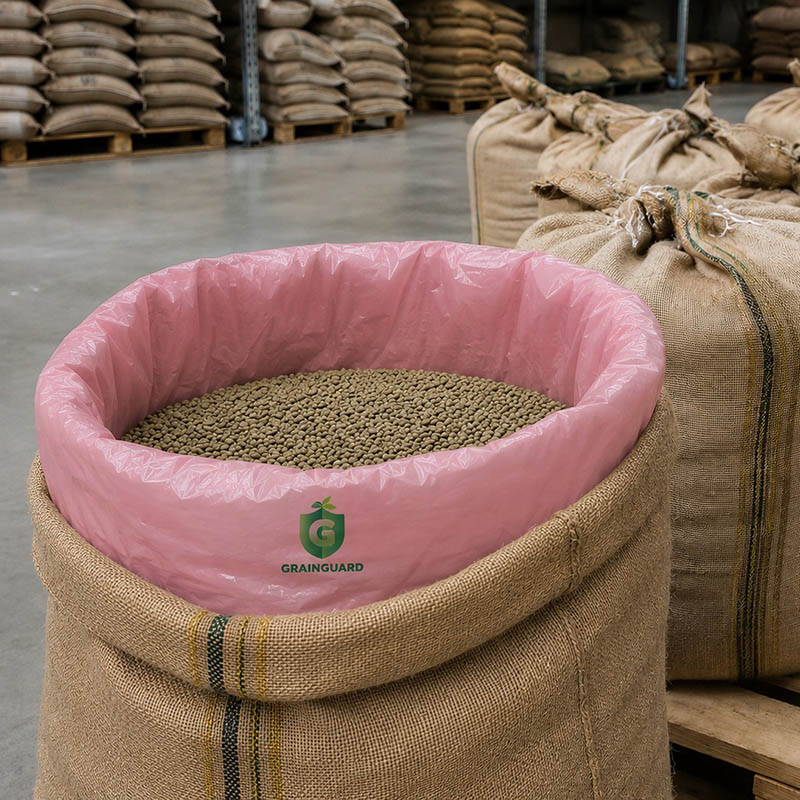
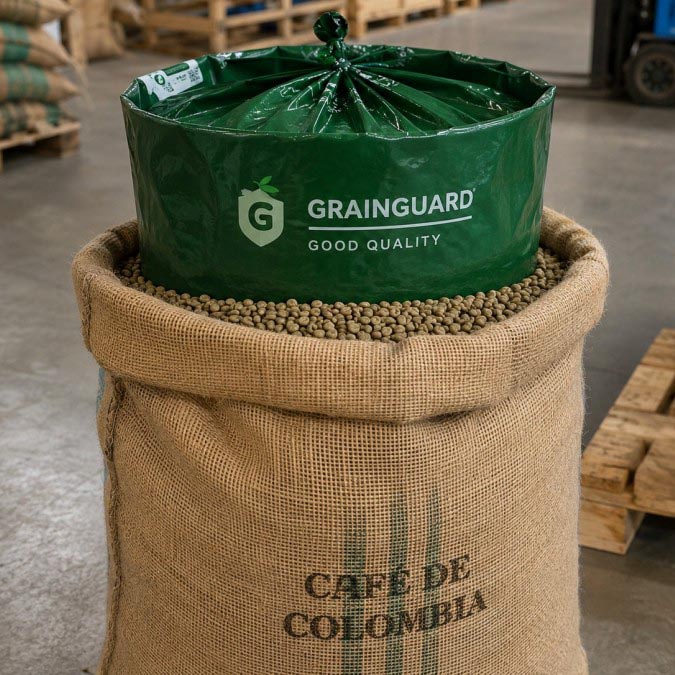
Traditional jute sacks provide familiar handling and trade presentation but they are not a high-barrier moisture package. This does not make jute unsuitable for cocoa. It means the exporter must understand that the outer sack alone does not isolate the beans from changing ambient humidity.
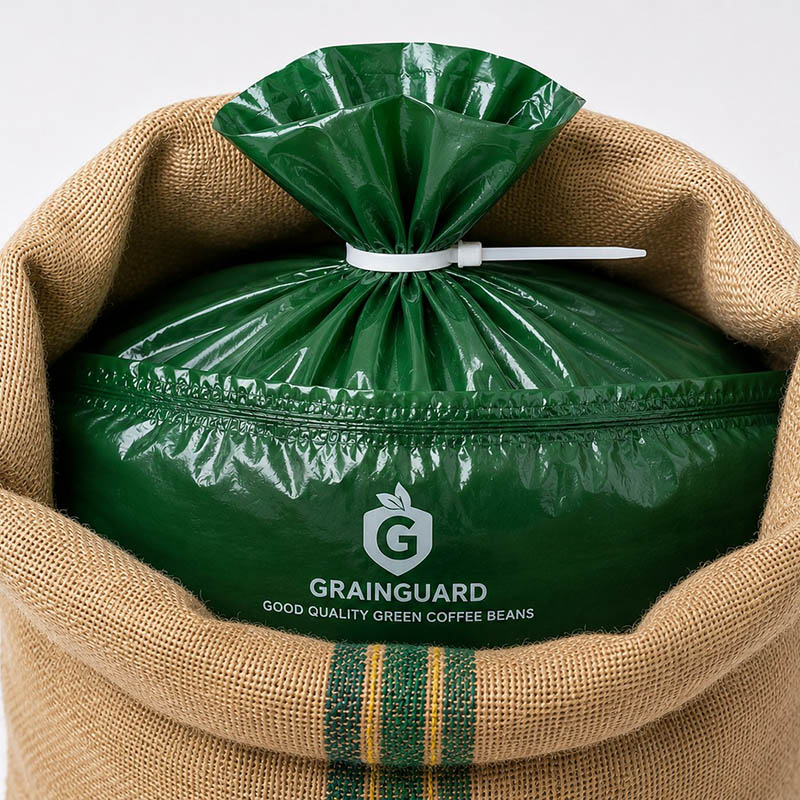
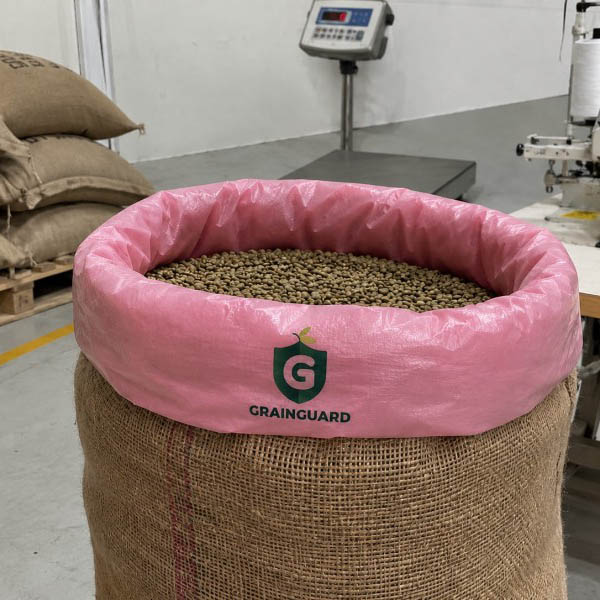
A properly selected and correctly sealed hermetic liner adds a barrier between dried cocoa and the surrounding environment. Its main role is to reduce moisture-vapor and oxygen exchange through the package and to help create a more stable internal environment during storage and transport.
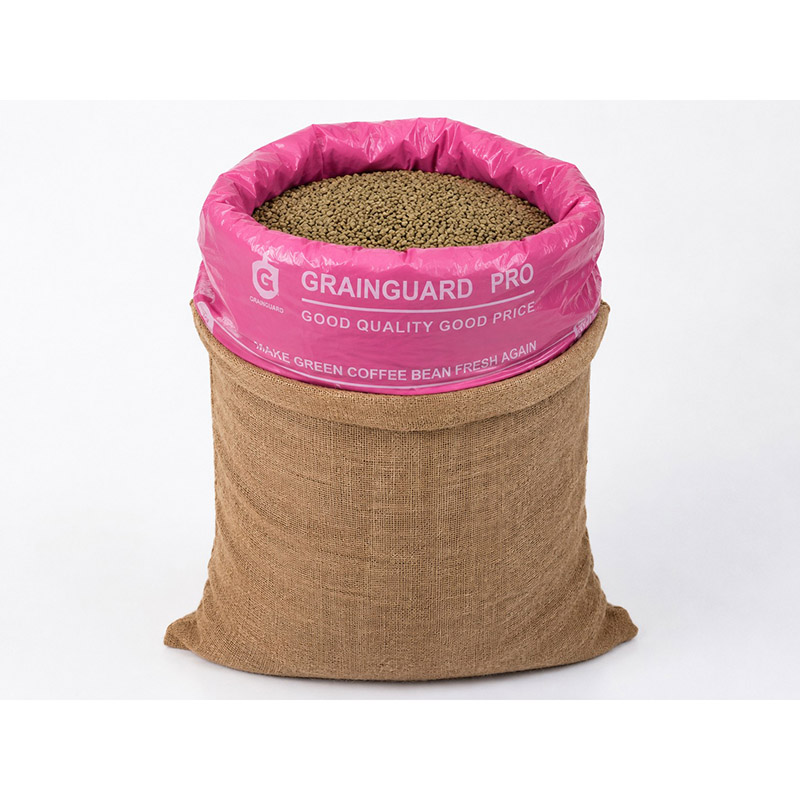
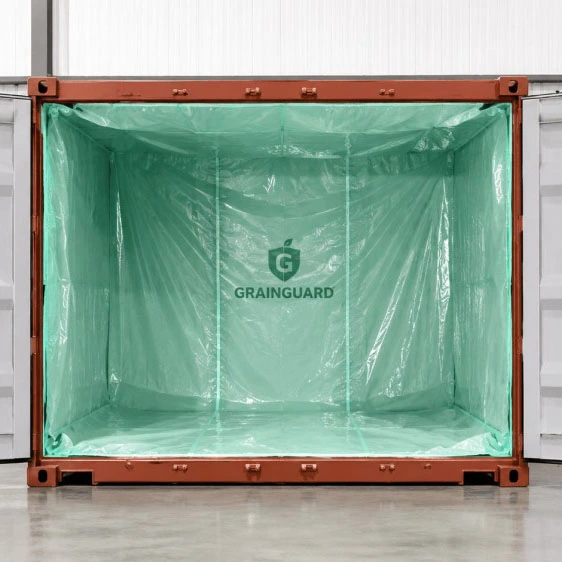
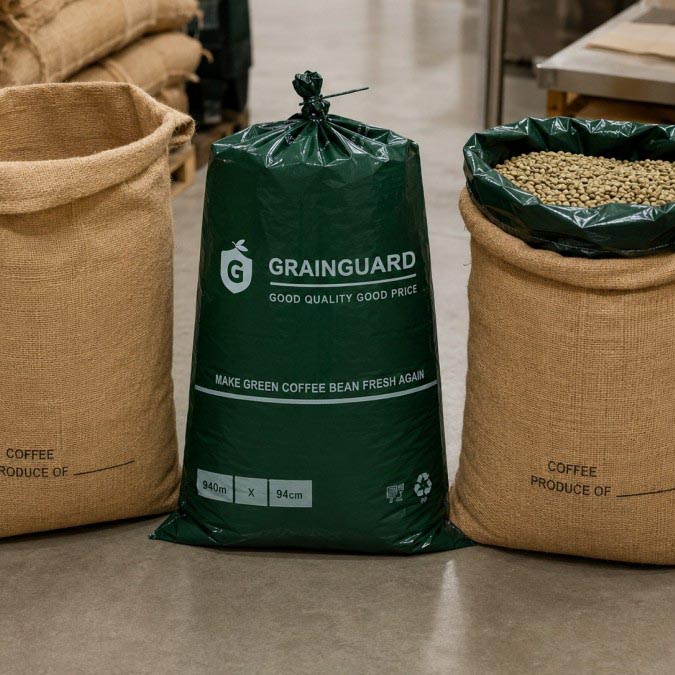
For bagged cocoa, a hermetic inner liner can be fitted inside a clean outer jute sack so the jute continues to provide the external handling layer while the liner provides the principal barrier. For larger quantities, sealable bulk or container-level liner systems can be considered according to the loading method and route.
Hermetic packaging should not be described as a cure for wet cocoa or as an absolute guarantee against mold. If beans are packed with excessive moisture, if the liner is punctured, if the closure is poor, or if the cargo experiences severe temperature differences, quality can still deteriorate. Barrier packaging works best as one part of a complete moisture-control program.
o Reducing exchange between properly dried cocoa and humid external air.
o Helping maintain more stable bean moisture during storage and shipment when the package remains intact and correctly sealed.
o Providing an additional barrier against external odors, dust and cross-contamination.
o Supporting storage and transport programs that aim to reduce reliance on chemical treatment when the system and operating conditions are appropriate.
o Protecting the beans inside a traditional outer jute sack without changing the familiar external handling format.
o Correct fermentation and drying before packing.
o Representative moisture testing before storage and shipment.
o A clean and dry warehouse.
o A clean, dry and structurally sound shipping container.
o Good sealing and careful handling that prevents punctures.
o Buyer-specific food safety, quality and documentation requirements.
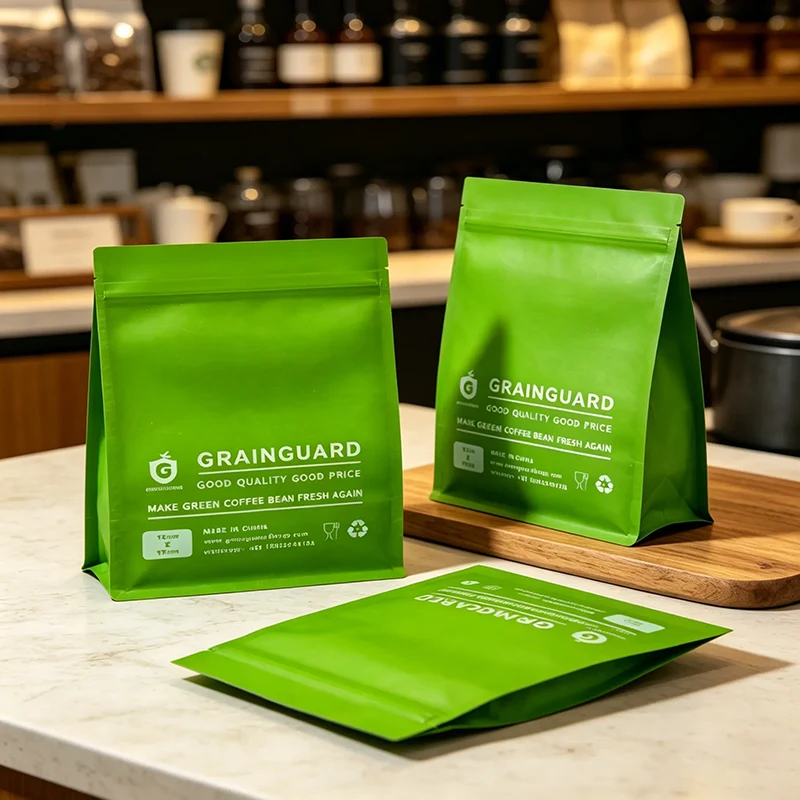
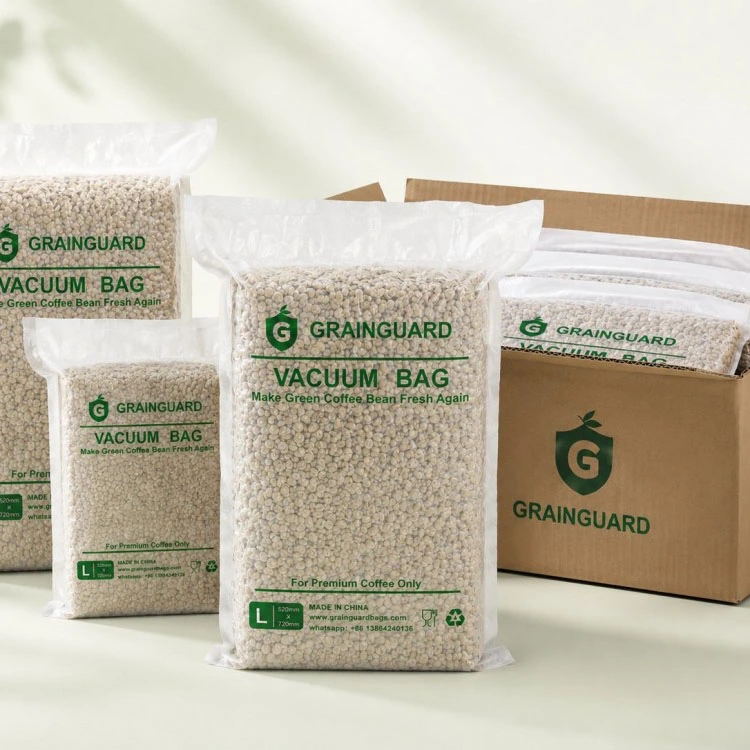
GrainGuard develops hermetic and high-barrier packaging for green coffee, cocoa and other dry agricultural commodities. The GrainGuard product range includes jute liners and larger liner formats that are designed to reduce external moisture and oxygen exchange when correctly selected, filled and sealed. GrainGuard manufacturing is supported by multilayer film processing and up to 10-layer co-extrusion capability.
For cocoa exporters, the correct starting point is not simply choosing the highest barrier product. The packaging should be matched to the cocoa moisture condition, bag size, storage duration, route, expected climate exposure, handling method and buyer requirements.
GrainGuard packaging can support moisture-management and quality-protection programs, but it should be used together with correct drying, sound storage, suitable container preparation and shipment-specific quality controls.
The strongest mold-prevention strategy is built before the container is closed. Dry the beans correctly, prevent re-wetting, manage the warehouse, inspect the container and choose packaging that matches the real conditions of the shipment. No single packaging system can compensate for poor initial bean condition. Packaging is most effective when it protects cocoa that has already been properly fermented, dried and handled. When these controls work together, exporters can reduce avoidable moisture exposure and give cocoa a much better chance of reaching the buyer in the condition intended at origin.
|
FOR COCOA EXPORTERS Share your cocoa type, bag size, moisture condition, storage period and export route with GrainGuard to discuss a suitable packaging format. WhatsApp +86 13864240136 Qingdao, China GrainGuard | Make Grains Fresh Again. |
Copyright © 2026 SYON Packaging Technology(Qingdao)Co., Ltd. All rights reserved.