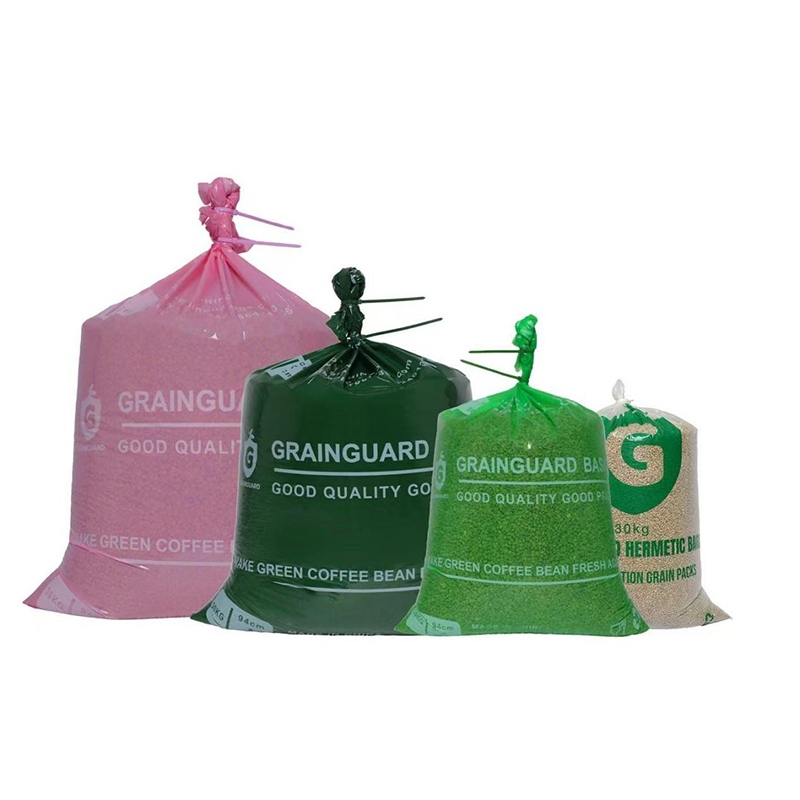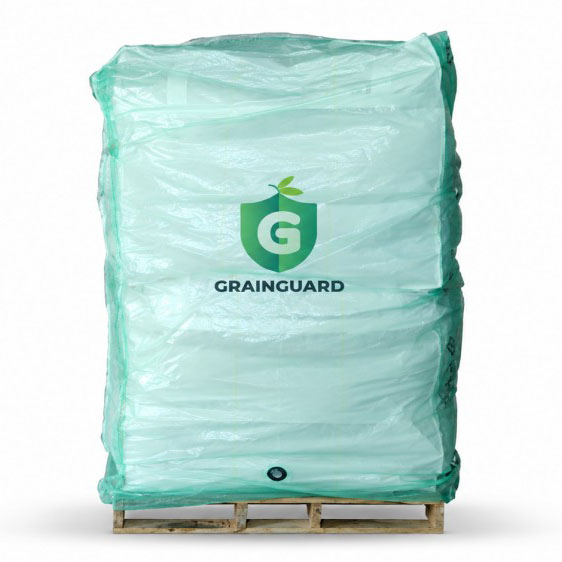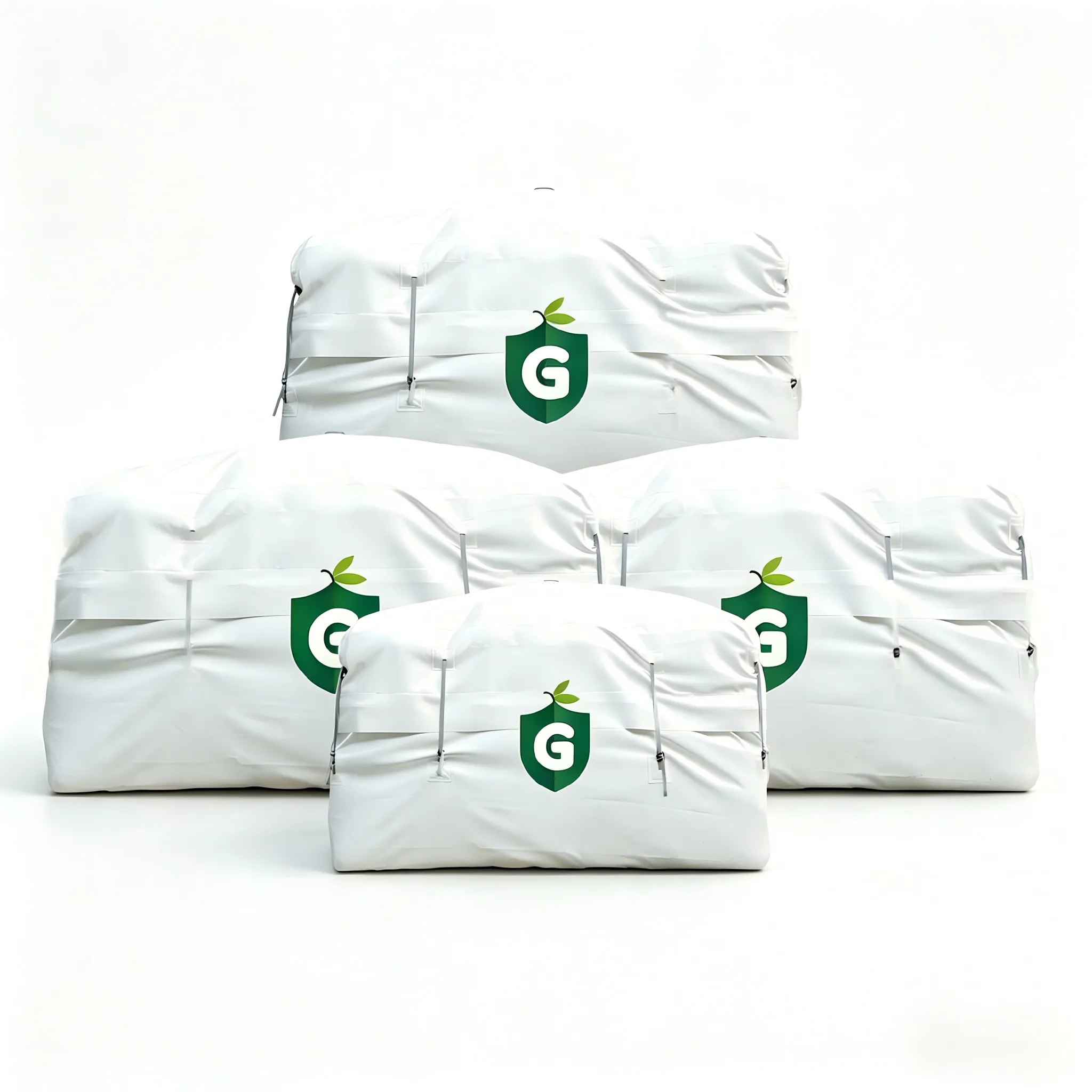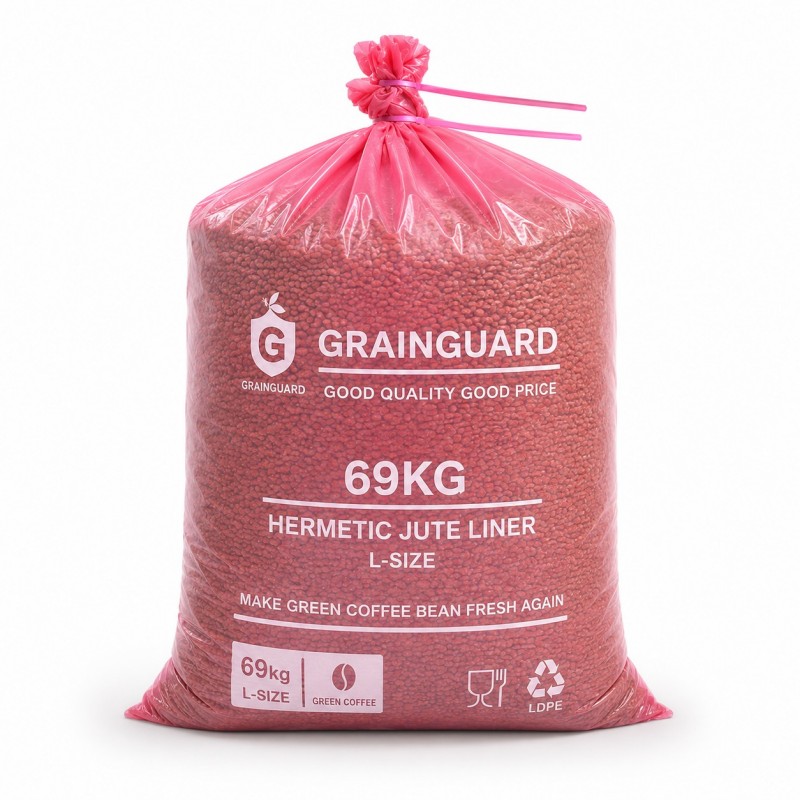

Coffee beans are highly sensitive to moisture, oxygen, humidity fluctuations, odors, and prolonged exposure to unsuitable storage conditions. Even when beans are carefully processed and graded, inadequate packaging can gradually reduce quality during transportation and warehousing. A Coffee Bean Packaging Jute Hermetic Liner provides a practical barrier inside traditional jute or woven bags, helping reduce moisture exchange and protect the coffee from external environmental conditions. This article explains how hermetic liners work, why they matter for green coffee storage, which packaging problems they address, how to select the right liner, and how packaging suppliers such as SYON Packaging Technology (Qingdao) Co., Ltd. can support more reliable coffee packaging solutions.
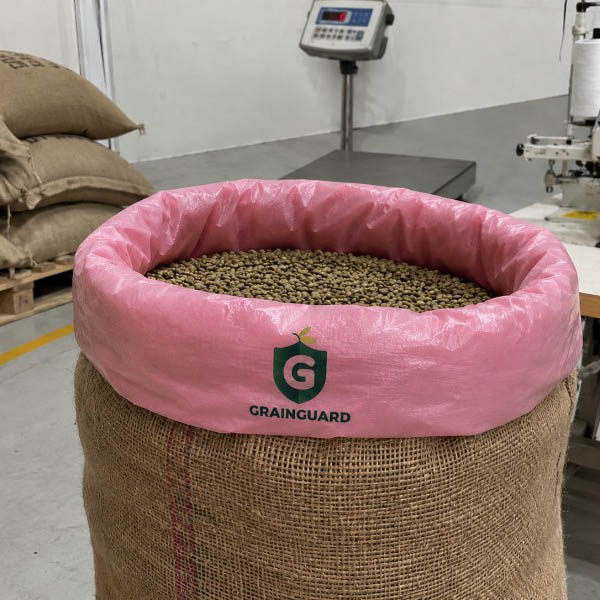
Coffee quality does not stop developing when beans leave the processing facility. Green coffee may travel through several stages before roasting: drying, grading, bagging, warehousing, shipping, customs clearance, and final storage. During this journey, the beans can encounter changing temperatures and humidity levels.
Traditional jute bags remain popular because they are strong, breathable, familiar to the coffee industry, and visually associated with agricultural products. However, breathability can also become a weakness when coffee is exposed to humid environments for extended periods. Moisture migration may affect bean stability and can contribute to quality deterioration when storage conditions are poor.
Coffee packaging buyers therefore face a practical challenge: they need the handling strength and traditional appearance of jute while also requiring improved protection from environmental exposure. This is where a hermetic inner liner becomes particularly useful.
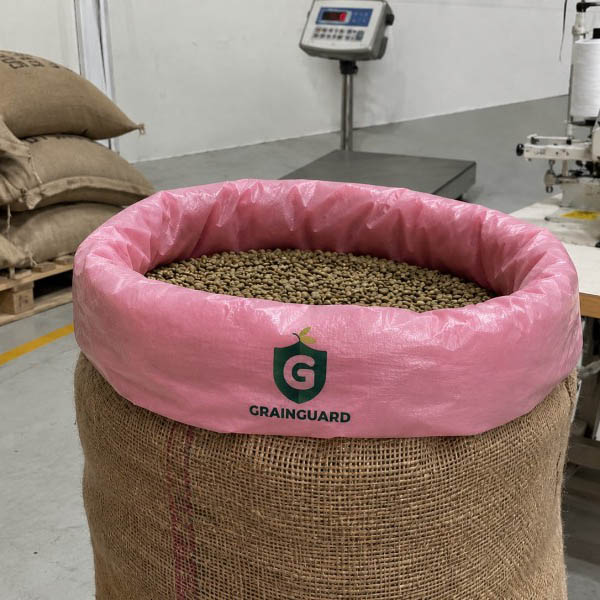
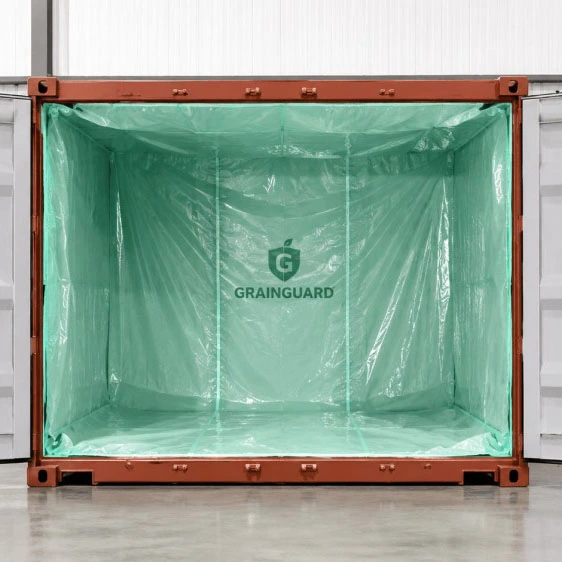
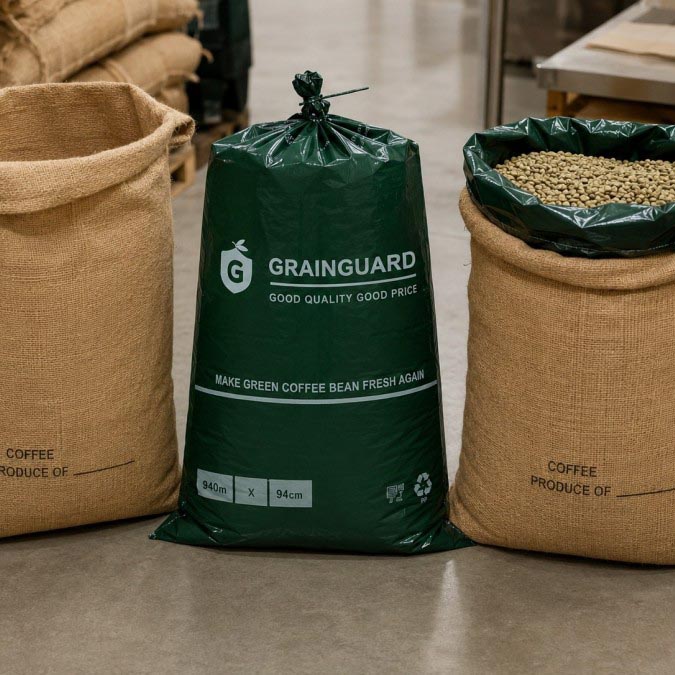
A hermetic liner is an inner packaging layer designed to create a more controlled barrier around the coffee beans. Instead of allowing the beans to remain directly exposed to the surrounding atmosphere through a conventional outer bag, the liner forms a sealed internal environment.
The concept is straightforward: the outer jute bag provides mechanical protection and convenient handling, while the inner hermetic liner provides an additional barrier against moisture and environmental exchange. When correctly filled and sealed, this structure can significantly improve the consistency of the storage environment.
The exact performance of a liner depends on its material structure, thickness, sealing method, packaging design, and storage conditions. For this reason, professional coffee packaging should be selected according to the actual application rather than based on appearance alone.
Simple packaging concept:
Coffee beans → Hermetic inner liner → Jute or woven outer bag → Transportation and storage
The combination of a jute outer bag and hermetic inner liner addresses two different packaging requirements. Coffee producers need a package that can survive real-world logistics, while the coffee itself needs protection from environmental conditions.
Jute is valued for its toughness, traditional appearance, easy handling, and compatibility with established coffee supply chains. However, the outer bag is not intended to provide the same barrier performance as a sealed inner liner. Adding the liner creates a layered packaging system in which each component performs a specific function.
| Packaging Layer | Main Function | Value to Coffee Supply Chain |
|---|---|---|
| Coffee beans | Product being protected | Requires stable storage conditions |
| Hermetic liner | Environmental barrier | Helps limit moisture and air exchange |
| Jute outer bag | Mechanical protection | Supports handling, stacking, and transportation |
For coffee producers and exporters, packaging is not simply a container. It is part of the product protection strategy. A properly designed Coffee Bean Packaging Jute Hermetic Liner can provide several practical advantages.
Hermetic construction can reduce unwanted moisture exchange between the coffee and surrounding environment, particularly when the package is properly sealed.
A sealed liner can help create a more controlled internal environment than an unlined porous bag, which is especially valuable during extended storage.
Coffee may encounter significant climate differences between origin and destination. A barrier layer adds another level of protection during these transitions.
Using an inner liner allows businesses to retain the familiar jute outer bag while improving the protective function of the overall package.
When moisture and environmental exposure are controlled more effectively, the likelihood of packaging contributing to quality deterioration can be reduced.
Different coffee packaging systems are suitable for different supply chains. Buyers should consider storage duration, climate, transportation distance, handling requirements, and target market expectations before making a decision.
| Factor | Conventional Jute Bag | Jute Bag + Hermetic Liner |
|---|---|---|
| Outer-bag strength | Good | Good |
| Moisture barrier | Limited | Enhanced |
| Environmental protection | Moderate | Higher |
| Long-distance storage suitability | Depends strongly on conditions | More controlled |
| Traditional appearance | Excellent | Maintained |
Selecting a liner should begin with the coffee supply chain rather than simply the lowest unit price. A liner that performs well in one application may not be the best solution for another.
Before placing an order, buyers should evaluate the following factors:
Do not evaluate a hermetic liner only by thickness or appearance. Packaging performance depends on the complete material structure, sealing integrity, dimensions, and actual storage conditions.
Even a high-quality liner cannot perform correctly if the packaging process is inconsistent. Proper filling and sealing are therefore essential parts of the overall solution.
Packaging teams should also establish simple inspection procedures. Checking liner integrity, sealing quality, bag dimensions, and finished-package appearance can help identify problems before large quantities enter the logistics chain.
Export coffee often travels much farther than locally distributed products. This means packaging decisions should account for the entire route rather than only the conditions at the production site.
For example, coffee produced in a relatively dry region may later be transported through humid ports or stored in warehouses with different environmental conditions. A packaging system that provides an additional barrier can help reduce the impact of these changes.
Buyers should also pay attention to production consistency. For commercial coffee packaging, small variations in liner dimensions, sealing performance, or material quality can become significant when thousands of bags are produced.
Consistent material structure supports reliable barrier performance.
Correct sealing is essential for maintaining the intended internal environment.
Correct liner dimensions improve filling efficiency and reduce handling problems.
Testing under realistic conditions helps verify suitability for the intended supply chain.
Choosing a packaging manufacturer is an important step for businesses that require stable quality and repeatable supply. A professional supplier should understand not only the liner itself but also how it fits into coffee filling, sealing, transportation, and storage processes.
SYON Packaging Technology (Qingdao) Co., Ltd. focuses on packaging technology and practical packaging solutions for customers with different product protection requirements. For coffee-related applications, communication between the buyer and manufacturer is particularly important because liner dimensions, material specifications, sealing methods, packaging capacity, and logistics conditions can vary from project to project.
Instead of treating packaging as a standard commodity, buyers can provide information about their coffee type, bag size, filling weight, storage duration, transportation route, and target market. This allows the manufacturer to evaluate the application and recommend a more appropriate packaging configuration.
1. What is a Coffee Bean Packaging Jute Hermetic Liner?
It is a hermetic inner liner designed to be used inside a jute or woven coffee bag. The liner provides an additional barrier that helps reduce moisture and environmental exchange while the outer bag provides mechanical protection and convenient handling.
2. Can a hermetic liner be used with traditional jute coffee bags?
Yes. Combining a hermetic liner with a jute outer bag is a practical packaging configuration for businesses that want to maintain the traditional structure while adding an inner protective barrier.
3. Does the liner completely prevent coffee quality changes?
No packaging system can eliminate every factor affecting coffee quality. Storage temperature, initial bean condition, moisture content, handling, sealing quality, and warehouse conditions remain important. A hermetic liner is designed to reduce specific environmental risks rather than replace proper coffee storage practices.
4. Is the hermetic liner suitable for international coffee transportation?
It can be particularly useful for long-distance supply chains because coffee may experience different humidity and environmental conditions during transportation. The appropriate specification should be determined according to the route, storage period, bag size, and packaging process.
5. How should buyers choose the liner thickness?
Thickness should not be selected independently. Buyers should consider material structure, puncture resistance, filling equipment, bag dimensions, sealing method, transportation conditions, and expected storage duration. A packaging manufacturer can help determine the appropriate specification.
6. Can the liner be customized?
Depending on the manufacturer's capabilities, customization may include dimensions, capacity, material structure, packaging configuration, and other application-specific requirements. Buyers should provide detailed technical information before confirming production.
7. What is the most important factor when buying coffee hermetic liners?
The most important factor is whether the complete packaging solution matches the actual storage and transportation conditions. Material performance, sealing integrity, dimensional accuracy, compatibility with the outer bag, and manufacturing consistency should all be considered together.
Coffee packaging has a direct relationship with product protection throughout storage and transportation. While traditional jute bags provide valuable strength, handling convenience, and a familiar appearance, they may not provide sufficient environmental protection on their own in every supply chain.
A Coffee Bean Packaging Jute Hermetic Liner adds an important protective layer by helping control moisture and reduce unwanted environmental exchange. When the liner is correctly specified, filled, sealed, and combined with a suitable outer bag, it can create a more dependable packaging system for green coffee.
For coffee producers, exporters, importers, and packaging distributors, the best approach is to evaluate the complete application rather than focusing on a single packaging parameter. Material quality, liner dimensions, sealing performance, transportation conditions, storage duration, and production consistency should all be considered before placing a large order.
If your business is looking for a suitable Coffee Bean Packaging Jute Hermetic Liner, the right specification can make a meaningful difference to packaging performance during storage and transportation. SYON Packaging Technology (Qingdao) Co., Ltd. can work with coffee producers, exporters, importers, and packaging distributors to understand application requirements and develop suitable packaging solutions.
Share your bag size, filling weight, storage conditions, transportation route, and customization requirements to discuss the appropriate packaging configuration. Contact us to explore a coffee packaging solution designed around your actual supply-chain needs.
Copyright © 2026 SYON Packaging Technology(Qingdao)Co., Ltd. All rights reserved.