
Picture this: a specialty coffee importer invests $250,000 in a container of high-scoring Ethiopian green beans, carefully selected for their vibrant floral and citrus notes. The beans are stored in a traditional warehouse for three months before roasting. When the roaster finally opens the first bag, the aroma is flat. The cup is muted, lacking the promised complexity. The beans have absorbed moisture, their fats have oxidized, and the delicate flavor precursors have degraded. The importer is left with a product that is technically still "green coffee" but has lost the very characteristics that justified its premium price. This is not a hypothetical scenario; it plays out daily across the global coffee trade. The loss of flavor, the economic waste, and the disappointment are all consequences of one fundamental failure: inadequate storage.
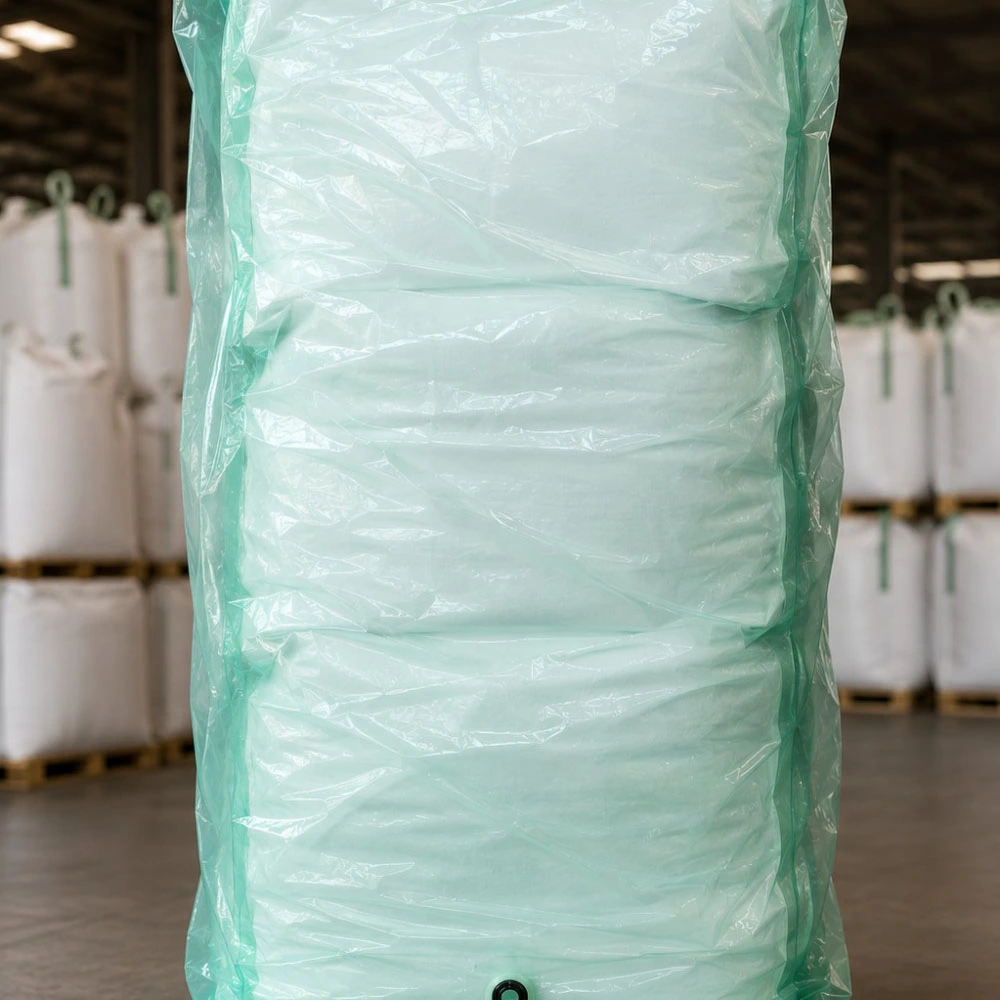
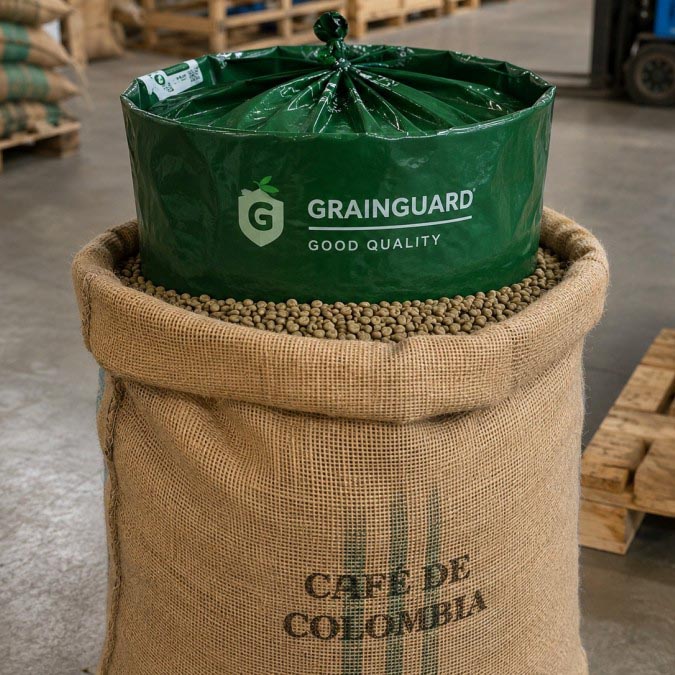
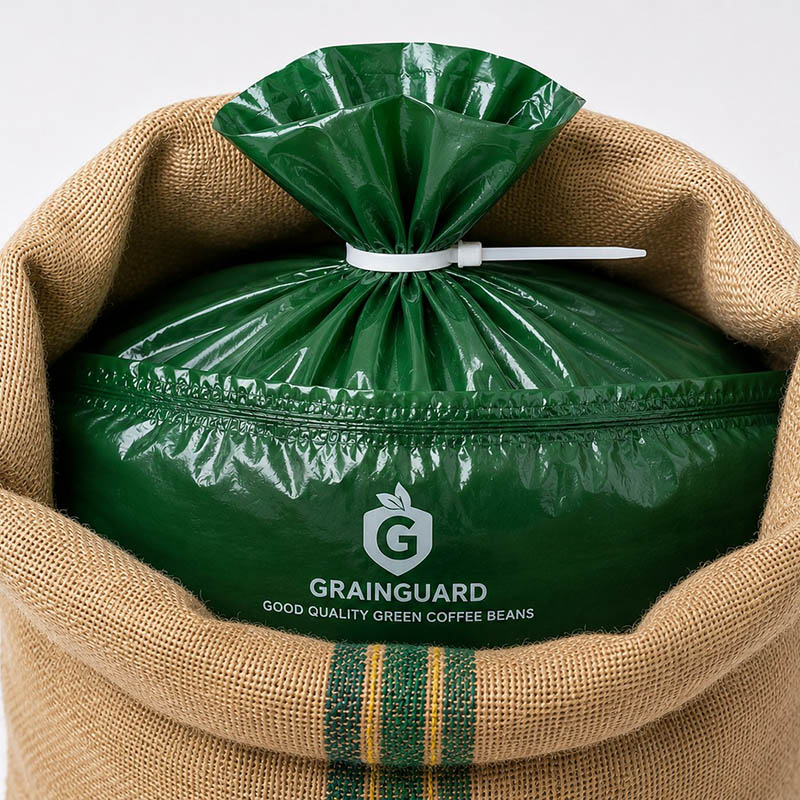
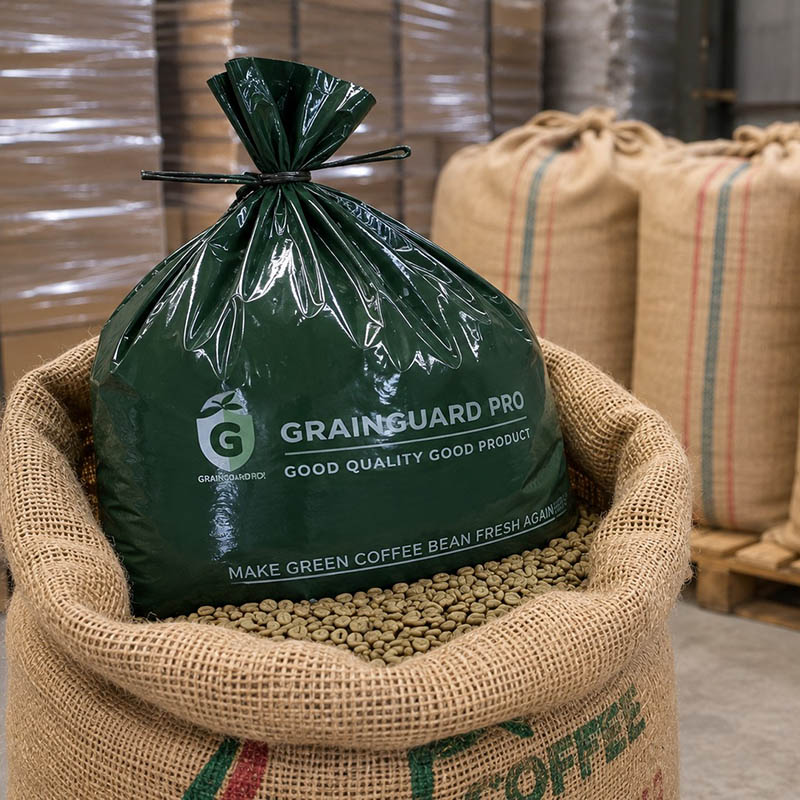
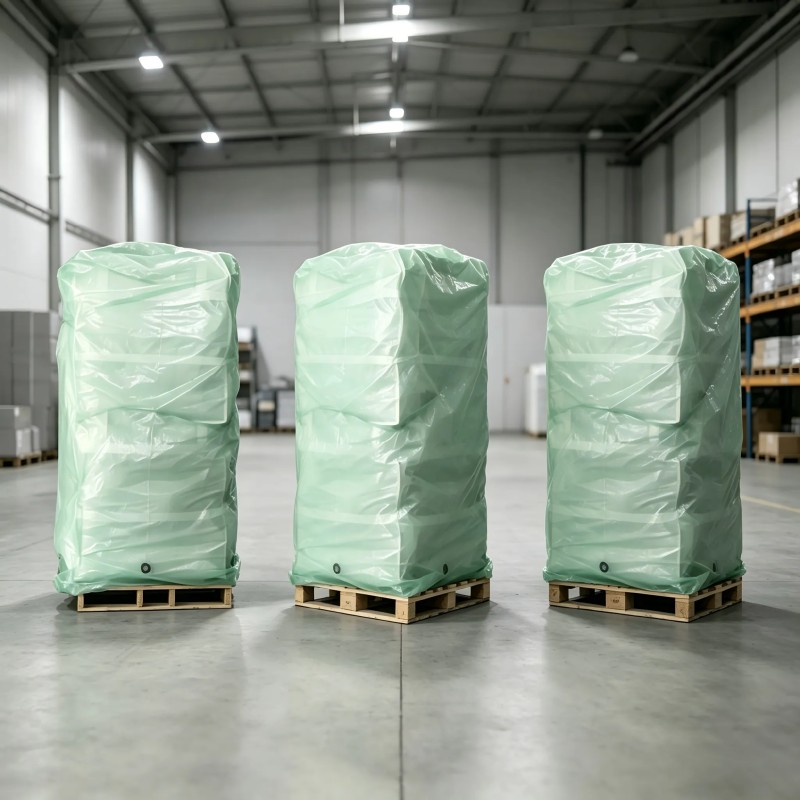
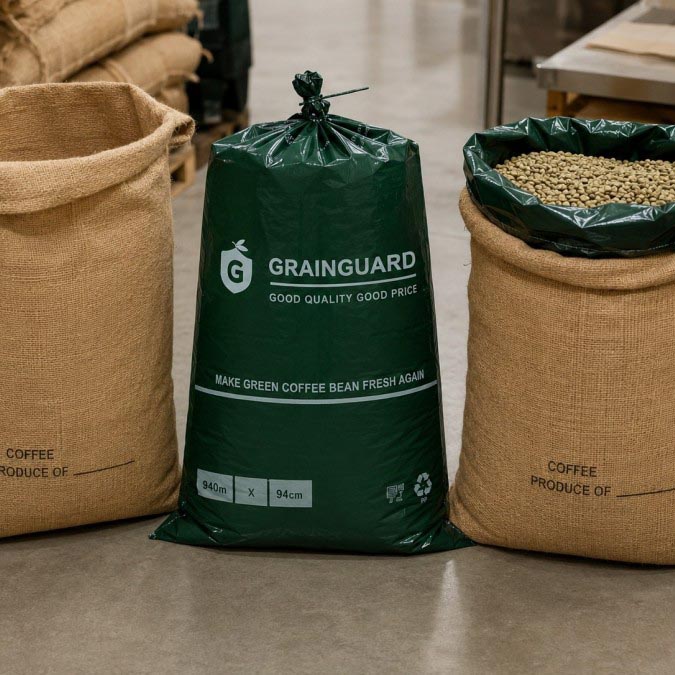
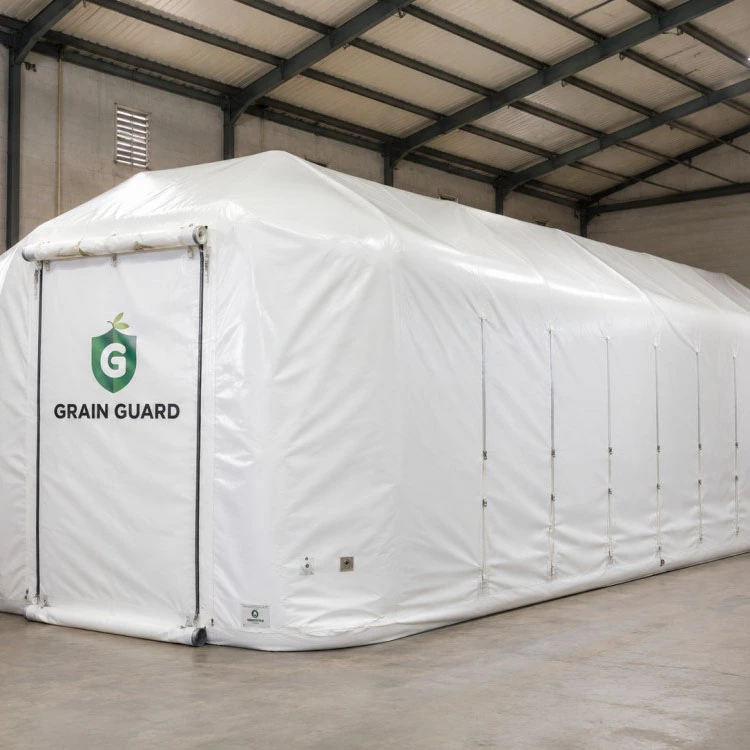
Hermetic storage is the answer to this challenge. By creating a sealed, oxygen-depleted environment, hermetic storage systems—such as Green Coffee Bean Hermetic Cocoon Storage—protect green coffee from the three primary threats to its quality: oxygen exposure, moisture fluctuation, and pest infestation. A hermetic system does not simply "keep the beans in a bag"; it actively manages the internal atmosphere, creating conditions that suppress oxidation, inhibit mold growth, and eliminate insects through anoxia. This article will explore the science behind hermetic storage, the critical role it plays in preserving green coffee quality, and the technical specifications that define an effective system. Whether you are a coffee producer, exporter, importer, or roaster, understanding the importance of hermetic storage is essential to protecting the value and flavor of your coffee.

Hermetic storage is a method of preserving agricultural commodities by storing them in a sealed, airtight environment that is impermeable to gases and moisture. The term "hermetic" is derived from Hermes, the Greek god of boundaries, and it signifies a completely sealed system. In the context of green coffee beans, hermetic storage typically involves the use of specialized, multi-layer plastic liners or flexible storage systems that are placed inside shipping containers, storage silos, or dedicated storage rooms. The key principle behind hermetic storage is the creation of a modified atmosphere that restricts the respiration of the stored product and inhibits the growth of spoilage organisms. But why are green coffee beans so uniquely vulnerable that they require such a specialized storage approach?
Green coffee beans are the seeds of the Coffea plant, harvested from a fruit called the coffee cherry. Unlike roasted coffee, which is shelf-stable for months when properly packaged, green coffee is a living biological material that continues to respire. This respiration process consumes oxygen and produces carbon dioxide, along with water vapor and heat. The rate of respiration is influenced by several factors, including temperature, moisture content, and the availability of oxygen. If green coffee beans are stored in a normal atmospheric environment (with roughly 21% oxygen), they will respire relatively quickly, leading to a gradual depletion of stored energy reserves and the production of off-flavors. Additionally, green coffee beans are highly hygroscopic—they readily absorb and release moisture in response to the surrounding humidity. This hygroscopic nature, combined with their vulnerability to oxidation and insect infestation, makes them one of the most challenging agricultural commodities to store safely.
The ideal moisture content for green coffee beans is generally between 10% and 12%. If the moisture content rises above 12.5%, the beans become susceptible to mold growth and the development of a "musty" or "earthy" flavor defect. If the moisture content drops too low (below 9%), the beans can lose their flavor potential and become brittle. Maintaining this narrow moisture range during extended storage periods—often months or even years—is a significant challenge in traditional storage environments, where humidity levels fluctuate with the seasons. Hermetic storage addresses this challenge by providing a sealed barrier that prevents the exchange of moisture between the beans and the ambient air. Once the beans are sealed inside a hermetic liner, the moisture level is effectively "locked in," preventing both drying and rehydration.
This is where the Green Coffee Bean Hermetic Cocoon Storage comes into play. Our system at SYON Packaging Technology (Qingdao) Co., Ltd. creates a controlled environment where oxygen levels drop below 1% within a few days of sealing, effectively halting most respiration and oxidative processes. The result is a bean that remains fresh and vibrant for months, maintaining its cup profile and market value. Without hermetic storage, producers and importers face the constant threat of quality degradation, leading to financial losses, trade disputes, and a diminished reputation in the competitive specialty coffee market.
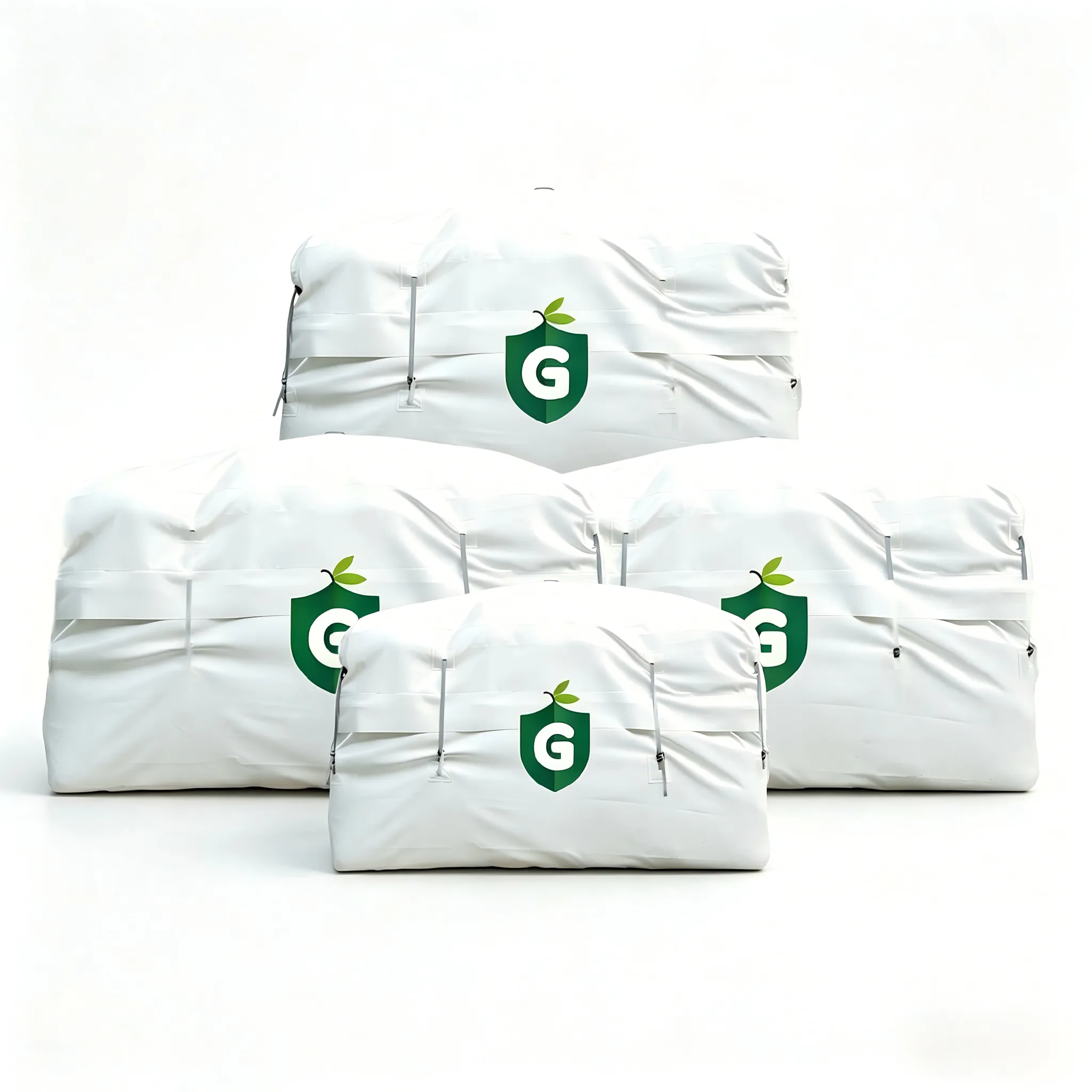
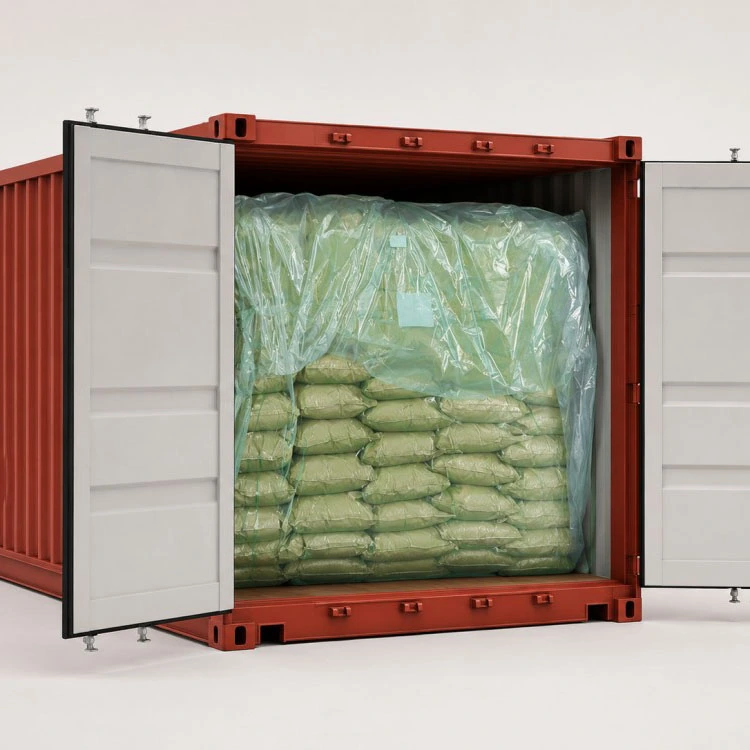
Not all hermetic storage systems are created equal. The performance of a Green Coffee Bean Hermetic Cocoon Storage system is determined by its technical specifications, which define its ability to create and maintain the ideal internal environment. The key specifications include the liner's barrier properties—its resistance to oxygen and moisture permeation—as well as its mechanical strength, durability, and compatibility with standard shipping containers. The following table provides a detailed overview of the key technical specifications for our Green Coffee Bean Hermetic Cocoon Storage systems.
| Parameter | Value / Range | Importance |
| Liner Thickness (microns) | 150 – 220 | Provides mechanical strength and puncture resistance; thicker liners offer better protection. |
| Oxygen Transmission Rate (OTR) (cm³/m²/day/atm) | < 20 | Critical for maintaining low oxygen levels; a low OTR prevents oxygen ingress. |
| Water Vapor Transmission Rate (WVTR) (g/m²/day) | < 2 | Prevents moisture exchange with the external environment, maintaining stable bean moisture content. |
| Number of Layers | 6-10 layers | Multi-layer construction provides enhanced barrier properties and mechanical strength. |
| Tensile Strength (MD/TD) (MPa) | > 25 / > 20 | Ensures the liner can withstand the pressures of stacking and handling. |
| Elongation at Break (MD/TD) (%) | > 400 / > 500 | Provides the flexibility needed to fit inside containers without tearing. |
| Temperature Resistance (°C) | -30 to +80 | Ensures performance across a wide range of climatic conditions. |
| Container Compatibility | 20 ft / 40 ft standard containers | Designed to fit precisely inside standard shipping containers for easy transport. |
| Expected Oxygen Depletion Time (to < 1%) | 3-7 days | Indicates how quickly the anaerobic environment is established after sealing. |
In addition to these core specifications, a high-quality Green Coffee Bean Hermetic Cocoon Storage system should also feature easy-to-use sealing mechanisms, such as heavy-duty zipper seals or heat-sealing capabilities, to ensure a reliable airtight closure. The liner should also incorporate gas exchange valves that allow for the controlled release of excess carbon dioxide, which is produced during the initial stages of storage. This prevents the build-up of excessive pressure that could damage the liner. Our factory at GrainGuard manufactures its Green Coffee Bean Hermetic Cocoon Storage systems to these exacting specifications, ensuring that our customers can confidently store their green coffee beans for extended periods without fear of quality loss.
Green coffee beans are biological reservoirs of flavor potential. Within each bean are hundreds of chemical compounds—acids, sugars, lipids, proteins, and volatile aroma precursors—that, when subjected to the heat of roasting, will transform into the complex flavor profile that coffee lovers appreciate. However, many of these compounds are vulnerable to oxidation, a chemical reaction in which oxygen molecules react with the bean's constituents, altering their structure and degrading their flavor potential. The oxidation of green coffee is a slow, insidious process. It does not cause the beans to go "bad" in a way that is immediately detectable, but it gradually erodes the subtle, delicate flavors that distinguish specialty coffee from commodity coffee.
The primary victims of oxidation in green coffee are the lipids (fats) and the chlorogenic acids. Lipids, which make up about 12-15% of the bean, are responsible for the body and mouthfeel of the brewed coffee. When lipids oxidize, they can produce rancid flavors and unpleasant "cardboard" or "fishy" notes. Chlorogenic acids, a family of phenolic compounds that contribute to the acidity and bitterness of coffee, are also susceptible to oxidation. The breakdown of chlorogenic acids can lead to the formation of compounds that contribute to a stale, "old" flavor. The oxidation process is accelerated by the presence of light, heat, and moisture, all of which are common in traditional storage conditions.
This is not a minor issue. In the specialty coffee industry, flavor is the currency of value. A coffee that scores 88 points on the Specialty Coffee Association (SCA) scale can command a premium price. A coffee that scores 84 points is a distinctly lower-value product. The loss of just a few points on the SCA scale, caused by oxidative degradation during storage, can reduce the bean's value by 20% or more. In a market where a single container of high-quality green coffee can be worth hundreds of thousands of dollars, this is a significant financial risk. The Green Coffee Bean Hermetic Cocoon Storage system addresses this risk by reducing the oxygen concentration in the storage environment to less than 1%. This effectively pauses the oxidation process, preserving the bean's flavor potential at the moment of sealing. It is the difference between a coffee that reaches the roaster in "peak condition" and one that is "tired" and "flat."
Beyond the flavor loss, oxidation also affects the bean's color and aroma. Fresh green coffee beans have a characteristic pale green color and a fresh, grassy aroma. As oxidation progresses, the beans may take on a yellowish or brownish hue, and the aroma may become dull, musty, or hay-like. These changes are early warning signs that the beans are losing their quality. The ability to prevent these changes through hermetic storage is not just a matter of flavor preservation; it is also a matter of maintaining the bean's visual and aromatic appeal, which is critical in a market where buyers rely on sensory evaluation to assess quality.
The moisture content of green coffee beans is a dynamic and delicate parameter that profoundly influences the bean's quality, flavor, and microbial stability. Green coffee beans are hygroscopic, meaning they readily absorb or release moisture to reach equilibrium with the surrounding relative humidity. This property is a double-edged sword. On one hand, it allows the beans to respire and maintain their metabolism. On the other hand, it makes them highly susceptible to moisture-related deterioration. Understanding the role of moisture in green coffee preservation is essential to appreciating why hermetic storage is so valuable.
The optimal moisture range for green coffee beans is 10% to 12% on a wet basis. Within this range, the beans are considered stable, and the risk of spoilage is minimized. The moisture content is not just a passive property; it directly influences the bean's chemical composition and roasting behavior. Beans with the correct moisture content will roast more evenly and develop their full flavor potential. Beans that are too dry (below 9%) will roast too quickly, potentially developing a "baked" or "flat" flavor. Beans that are too moist (above 12.5%) are prone to mold growth and the development of a musty, earthy flavor defect called "moldy" or "fermented." The rate of mold growth is governed by the water activity (aw) of the beans, which is a measure of the free water available for microbial growth. At a water activity above 0.7, which corresponds to a moisture content of about 12.5%, the growth of common storage molds, such as Aspergillus and Penicillium, can occur. These molds can produce mycotoxins, such as ochratoxin A, a toxic compound that can pose a health risk to consumers.
In traditional storage, where beans are often kept in jute bags or in warehouses without climate control, the moisture content of the beans can fluctuate significantly. During a humid season, the beans can absorb moisture from the air, raising their water activity and creating conditions for mold growth. During a dry season, the beans can lose moisture, becoming brittle and losing their flavor potential. This constant fluctuation is a major source of quality variation and financial loss in the coffee trade. Hermetic storage solves this problem by providing a moisture-proof barrier that prevents the exchange of moisture between the beans and the ambient air. Once the beans are sealed inside a Green Coffee Bean Hermetic Cocoon Storage system, the moisture content is locked in at the level present at the time of sealing. The beans cannot absorb moisture from a humid environment, nor can they lose moisture to a dry environment. This means that even if the coffee is stored for months in a humid tropical port or in the dry hold of a ship, its moisture content remains stable, preserving its quality and reducing the risk of mold growth. The stability of the moisture content also contributes to the bean's long-term shelf life, allowing it to be stored for extended periods without significant quality deterioration.
Insects are a persistent and costly threat to stored green coffee beans. The most common pests include the coffee bean weevil (Araecerus fasciculatus), the cigarette beetle (Lasioderma serricorne), and the warehouse beetle (Trogoderma granarium). These insects can infest green coffee beans at various stages of the supply chain—from the farm and the warehouse to the shipping container and the roasting plant. A single infestation can destroy an entire batch of beans, ruining both the flavor and the commercial value. Traditional insect control methods often rely on chemical fumigants, such as methyl bromide or phosphine. These fumigants are effective but are increasingly restricted due to their environmental impact and potential health hazards. Hermetic storage offers a safe, non-toxic, and highly effective alternative for pest control through the principle of anoxia.
The life cycle of a typical storage insect begins with an adult female laying eggs on or near the coffee beans. The eggs hatch into larvae, which feed on the beans, burrowing into them and consuming the stored nutrients. The larvae then pupate and emerge as adults, ready to repeat the cycle. The presence of insects in green coffee beans is not just a quality issue; it is a regulatory issue, as many importing countries have strict quarantine regulations for agricultural products. The key to controlling these pests is to eliminate the oxygen they need to survive. All insects are aerobic organisms; they require oxygen to metabolize and sustain their life processes. When the oxygen concentration in the environment drops below 2%, insects become sluggish and unable to reproduce. When the oxygen concentration drops below 1%, the insects die from asphyxiation. This is the fundamental principle behind the Green Coffee Bean Hermetic Cocoon Storage system. By sealing the beans in a hermetic liner, the oxygen concentration is gradually reduced to less than 1% as the beans respire and consume the available oxygen. Within a few days, the atmosphere inside the liner is lethal to insects.
This non-toxic method of pest control offers several distinct advantages. It eliminates the need for hazardous chemical fumigants, reducing the risk of chemical residues on the beans and protecting the health of the workers handling the coffee. It is also highly effective against all life stages of the insects—eggs, larvae, pupae, and adults—provided the anoxic conditions are maintained for a sufficient period (typically 7-14 days). This is a critical point, as some insect stages are more resistant to fumigants than others. The hermetic system is a one-time treatment that provides long-lasting protection. Once the oxygen is depleted, the atmosphere remains anoxic as long as the liner remains sealed, meaning that new infestations cannot occur. This is in contrast to chemical fumigation, which is a temporary solution that may need to be repeated if the coffee is exposed to re-infestation. At GrainGuard, our Green Coffee Bean Hermetic Cocoon Storage is designed to create and maintain an anoxic environment, ensuring that the coffee beans are protected from insect damage throughout their storage and transport journey.
The coffee industry has historically relied on a range of traditional storage methods, each with its own limitations and advantages. These methods include jute bags (the most common), wooden bins, silos, and occasionally, standard plastic bags. Understanding the performance of these traditional methods is essential to appreciating the transformation that hermetic storage brings to green coffee preservation. Each traditional method presents specific vulnerabilities, from moisture ingress and pest infestation to oxygen exposure and flavor deterioration. When compared side-by-side, the advantages of the Green Coffee Bean Hermetic Cocoon Storage become exceptionally clear.
Jute bags are the most widely used storage and transport container for green coffee. They are inexpensive, breathable, and can be stacked easily. However, their breathability is also their greatest weakness. Jute bags offer virtually no barrier to moisture or oxygen, and they provide no protection against insects. In a humid environment, the beans inside the jute bags will quickly absorb moisture, leading to mold growth and flavor loss. In a dry environment, the beans will lose moisture, becoming brittle and losing their flavor potential. Jute bags also provide a poor barrier against pests. The insects can easily penetrate the fabric, allowing infestations to spread quickly through a warehouse. Wooden bins are a more robust storage option, but they are susceptible to moisture absorption and can harbor insect larvae in the wood grain. Silos are used for bulk storage, but they are expensive to construct and maintain and are not easily sealed for hermetic storage. Standard plastic bags offer some protection against moisture, but they are not hermetic and do not create the anoxic conditions that are needed to preserve quality and eliminate pests.
The following table provides a comprehensive comparison of hermetic storage with traditional storage methods across several key parameters.
| Parameter | Jute Bags | Wooden Bins | Silos | Standard Plastic Bags | Hermetic Cocoon Storage |
| Oxygen Barrier | None | None | Poor | Moderate | Excellent |
| Moisture Barrier | None | Poor | Poor | Moderate | Excellent |
| Pest Protection | None | Moderate | Moderate | Moderate | Excellent |
| Flavor Preservation | Poor | Moderate | Moderate | Good | Excellent |
| Chemical Use Required | Yes | Yes | Yes | No | No |
| Long-Term Shelf Life | < 3 months | 3-6 months | 6-12 months | 6-12 months | 12-24 months+ |
| Investment Cost | Low | Medium | High | Low | Medium |
| Return on Quality | Low | Medium | Medium | Good | Excellent |
When viewed through the lens of total cost of ownership, the hermetic storage solution becomes even more compelling. While the initial investment in a Green Coffee Bean Hermetic Cocoon Storage system may be higher than that of jute bags, the long-term savings in quality preservation, reduced product loss, and decreased fumigation costs make it the more economical choice. This is particularly important for high-value specialty coffee, where the protection of flavor and quality is paramount. By choosing hermetic storage, coffee producers, exporters, and importers are not just buying a bag; they are investing in the preservation of their product's value.
In the modern food industry, consumers are increasingly demanding products that are free from chemical additives, preservatives, and artificial treatments. This trend is particularly strong in the coffee sector, where the focus on purity, authenticity, and "clean label" products has driven a demand for coffee that is processed and stored naturally. Hermetic storage is a perfect fit for this demand, as it preserves coffee quality without the use of any chemicals, fumigants, or synthetic preservatives. The preservation of green coffee through hermetic storage is achieved entirely through physical means—the control of oxygen and moisture. This natural preservation method maintains the beans in their original, pristine condition, ensuring that the final roasted coffee is free from unwanted chemical residues.
The extended shelf life of coffee stored hermetically is a direct result of the anoxic environment created by the system. In the absence of oxygen, the oxidation of lipids and other flavor compounds is prevented, and the growth of aerobic microorganisms, such as molds and bacteria, is suppressed. The low oxygen environment also halts the reproduction of insects, providing additional protection without the need for chemical pesticides. The effect of this preservation is a green coffee bean that retains its flavor potential, its acidity, and its aromatic complexity for a period that is significantly longer than beans stored using traditional methods. While a typical jute bag may only preserve green coffee for 3-6 months before quality begins to deteriorate, a Green Coffee Bean Hermetic Cocoon Storage system can preserve green coffee for up to 24 months or more, depending on the initial quality of the beans and the storage conditions.
The economic impact of this extended shelf life is substantial. For producers, it means they can store their coffee and wait for more favorable market conditions before selling, avoiding the pressure to sell at low prices during harvest peaks. For exporters and importers, it means the ability to hold coffee in inventory without significant quality deterioration, allowing for more flexible supply chain management. For roasters, it means the ability to maintain a consistent supply of high-quality green coffee throughout the year, even if there are seasonal fluctuations in availability. In a market where consistency and quality are paramount, the ability to offer a stable, long-shelf-life product is a significant competitive advantage. By choosing hermetic storage, coffee industry professionals can ensure that their beans arrive at the roaster in peak condition, ready to be transformed into the exceptional coffee that consumers demand.
Question 1: How long can green coffee beans be stored in hermetic storage without quality loss?
Answer: Green coffee beans stored in a high-quality Green Coffee Bean Hermetic Cocoon Storage system can maintain their quality for 12 to 24 months or longer, provided the initial quality of the beans is high and the storage temperature remains reasonable (ideally below 30°C). The specific shelf life depends on factors such as the initial moisture content of the beans (ideally 10-12%), the storage temperature, and the ambient humidity outside the hermetic liner. In many cases, we have seen green coffee maintain its SCA cupping score with minimal change even after 18 months of hermetic storage. This is a significant improvement over traditional storage methods, which typically limit shelf life to 3-6 months.
Question 2: Does hermetic storage affect the "aging" process of green coffee beans?
Answer: Yes, but in a positive way. The aging process of green coffee beans is essentially a controlled form of oxidation and maturation. With hermetic storage, the aging process is effectively paused because the oxygen required for oxidation is depleted. This does not mean that the beans are "stuck" or unable to develop. Instead, it means that the beans are preserved in their state at the time of sealing. When the beans are removed from the hermetic storage and exposed to air, they will begin to age again. This control over the aging process allows roasters to manage their inventory more effectively, ensuring that they are working with beans that are in a consistent and desirable state.
Question 3: Can hermetic storage bags be reused for multiple coffee seasons?
Answer: Generally, we do not recommend reusing hermetic storage bags for multiple coffee seasons. The integrity of the liner is critical to maintaining a hermetic seal, and the bags may be damaged during handling or transportation. Additionally, there is a risk of cross-contamination between different coffee lots. For optimal quality assurance and to ensure consistent protection, we recommend using a new Green Coffee Bean Hermetic Cocoon Storage system for each storage or shipping cycle. Our factory at SYON Packaging Technology (Qingdao) Co., Ltd. manufactures these storage systems to be highly durable but also cost-effective, providing a reliable solution for single-use applications.
Question 4: What is the ideal moisture content for green coffee beans before hermetic storage?
Answer: The ideal moisture content for green coffee beans before hermetic storage is between 10% and 12%. This range is widely recognized by the specialty coffee industry as the optimal condition for preserving flavor and preventing microbial growth. Coffee beans with moisture content above 12.5% are at risk of mold growth, while beans with moisture content below 9% may roast too quickly and produce a flat flavor. If the beans are outside the 10-12% range before hermetic storage, we recommend adjusting the moisture content before sealing to ensure the best possible preservation. Our team can provide guidance on moisture measurement and management.
Question 5: Does hermetic storage require special environmental conditions?
Answer: While hermetic storage is highly effective in a wide range of conditions, the quality of the stored beans is still influenced by the ambient temperature. Ideally, the storage environment should be as cool as possible, ideally below 30°C, to slow down the metabolic processes of the beans and the chemical reactions that cause deterioration. However, one of the key advantages of hermetic storage is that it protects the beans from humidity fluctuations even if the ambient environment is not ideal. This means that even in hot and humid climates, the beans can be preserved effectively as long as the hermetic seal is maintained.
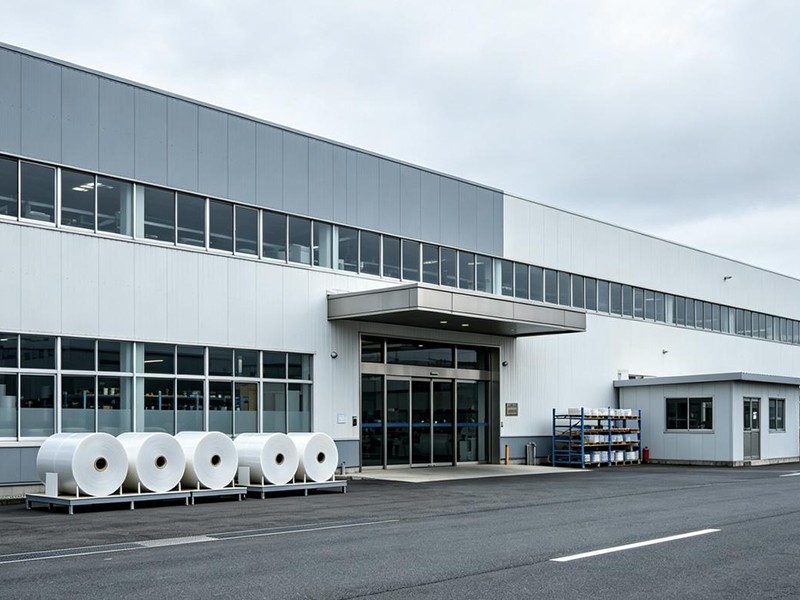
SYON Packaging Technology (Qingdao) Co., Ltd. (GrainGuard) is a leading provider of container transport packaging solutions, including sea bulk liners and hermetic storage systems for the global grain and commodity industry. We are the first professional manufacturing company to achieve full industry chain production capability, from raw material extrusion to finished product. Since the first sea bulk liner left our factory in 2010, we have become a trusted partner for top 500 chemical and logistics firms worldwide. Our fully integrated production capacity—with 10 extruder film blowers capable of producing 10-layer hermetic bags—enables 100% quality control over our entire product range. We serve a wide variety of industries, offering storage and transportation solutions for coffee, cocoa, grains, and other agricultural commodities. With distributors across South America, the Middle East, Southeast Asia, Africa, and Europe, we guarantee fast response times and reliable delivery. Sustainability is at the core of our mission, guiding every business decision we make to protect the future of our planet and its resources.
Hermetic storage is not just a method of storing green coffee beans; it is a proactive quality management system that protects the value and flavor of one of the world's most cherished agricultural commodities. By creating an oxygen-depleted, moisture-controlled environment, the Green Coffee Bean Hermetic Cocoon Storage system prevents oxidative degradation, controls moisture fluctuation, eliminates pests without chemicals, and extends the shelf life of the beans. The result is a coffee that arrives at the roaster in peak condition, preserving the subtle flavors and complexities that define specialty coffee.
For producers, exporters, importers, and roasters, the adoption of hermetic storage is a strategic investment in product quality and supply chain reliability. It provides the flexibility to manage inventory, the assurance of quality preservation, and the confidence that the beans will be valued by the end consumer. In a competitive market where quality is the key differentiator, hermetic storage is an essential tool for success. Contact SYON Packaging Technology (Qingdao) Co., Ltd. today to learn more about our Green Coffee Bean Hermetic Cocoon Storage solutions and how we can help you protect the quality and value of your green coffee.
Copyright © 2026 SYON Packaging Technology(Qingdao)Co., Ltd. All rights reserved.