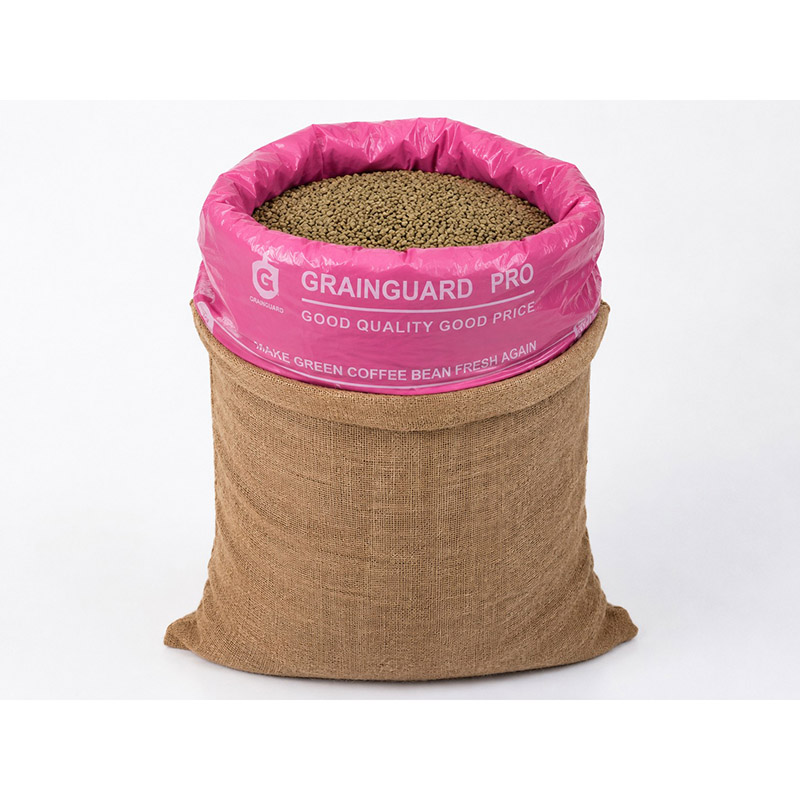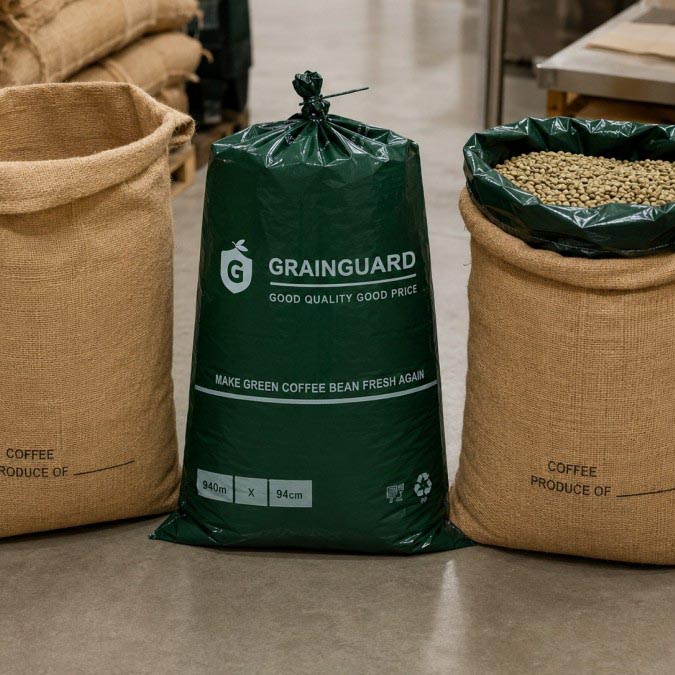

Green coffee beans are highly sensitive to moisture, oxygen, temperature fluctuations, odors, and prolonged storage conditions. A conventional jute bag provides strength and traditional appearance, but it may not provide sufficient protection against moisture and oxygen exchange. A Green Coffee Bean Hermetic Jute Liner combines the familiar handling advantages of jute packaging with an inner hermetic barrier designed to create a more controlled storage environment. This article explains how hermetic jute liners work, what problems they solve, how to select the right liner, and why they are increasingly useful for coffee exporters, importers, roasters, traders, warehouses, and specialty coffee businesses.
Green coffee beans may appear dry and stable, but they remain biologically and physically sensitive after processing. During transportation and storage, changes in humidity, temperature, and surrounding air can affect the condition of the beans. For exporters and buyers, this creates a major challenge: maintaining the original characteristics of coffee from the producing region until the beans reach their final destination.
Moisture is one of the most important concerns. Excessive moisture can increase the risk of mold growth, undesirable odors, quality deterioration, and inconsistent roasting performance. At the same time, excessive drying can also affect bean condition and commercial value.
Oxygen exposure and repeated air exchange can further contribute to quality changes over long storage periods. Coffee can also absorb odors from its surrounding environment, particularly when stored close to chemicals, spices, fuels, or other strongly scented products.
This is why packaging should not be considered merely a transportation container. It is an important part of the green coffee storage system.
Typical green coffee packaging challenges include:
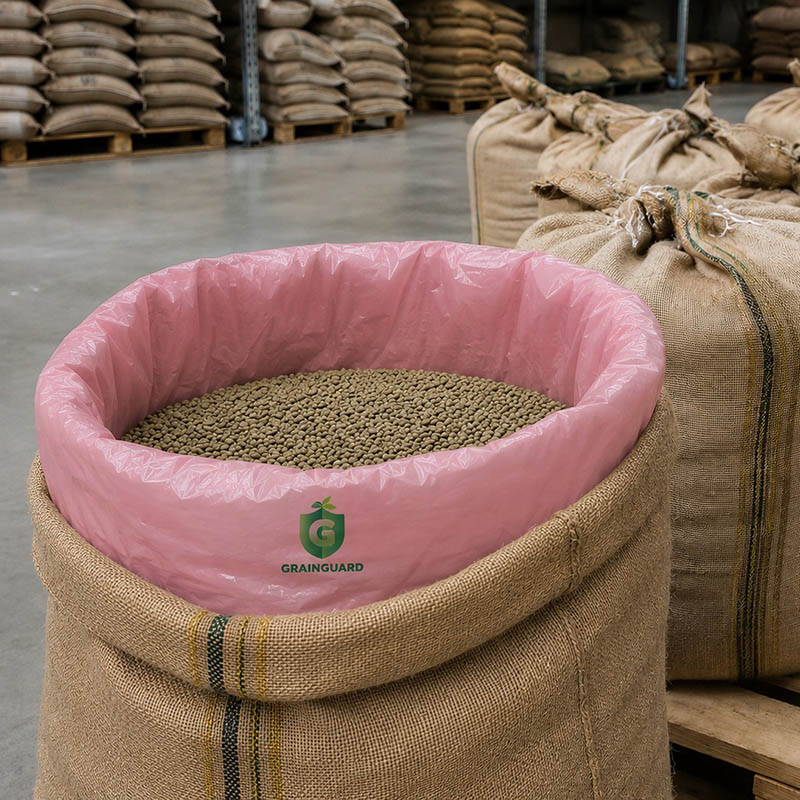
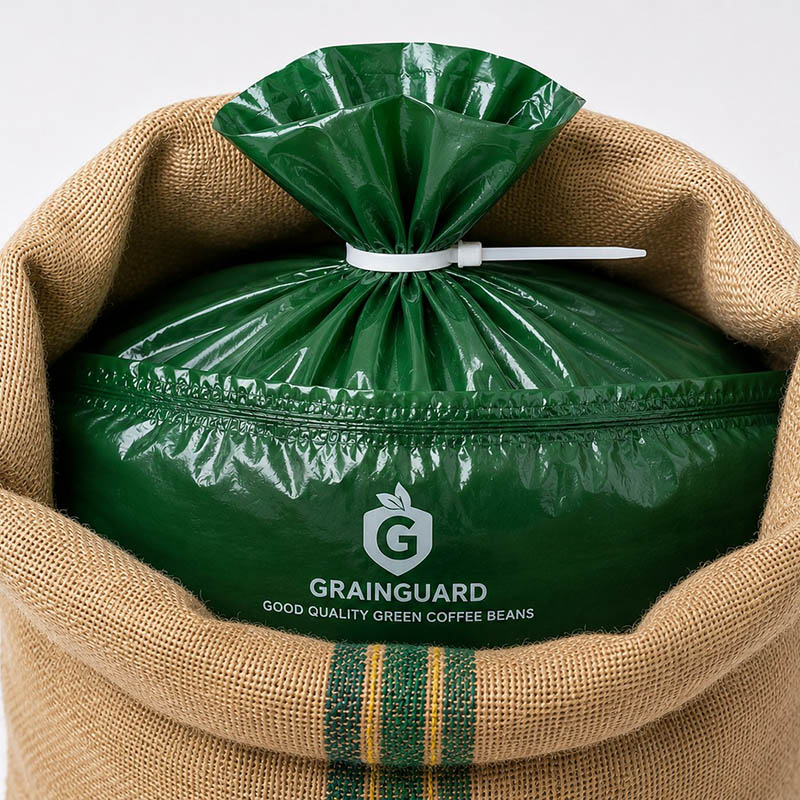
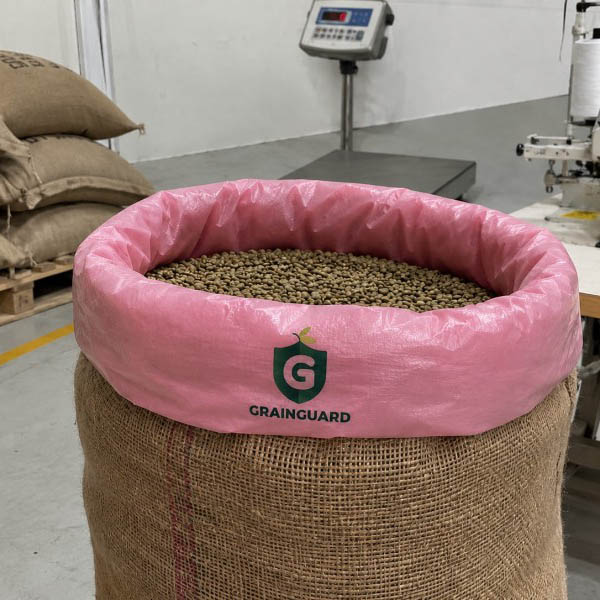
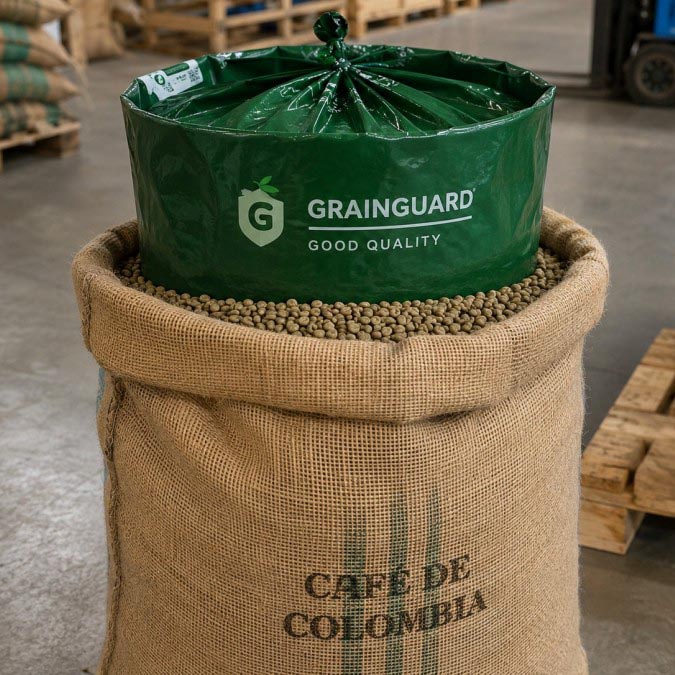
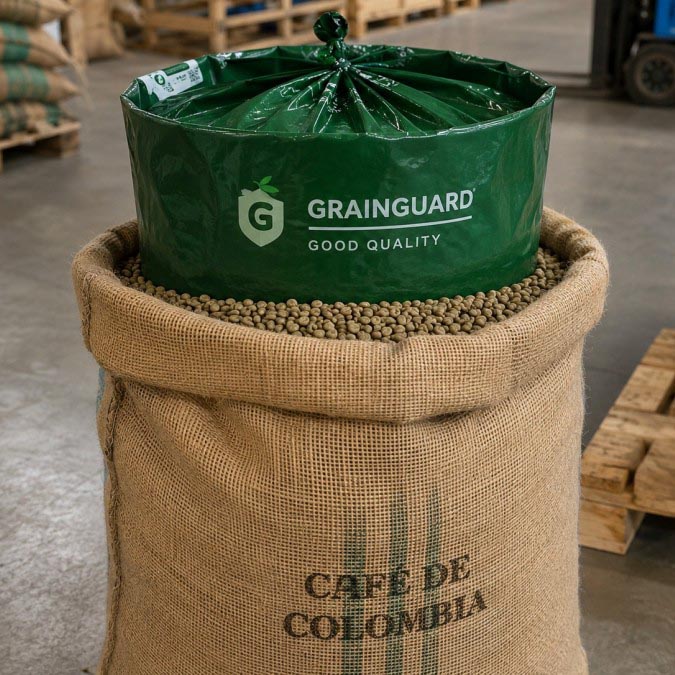
A Green Coffee Bean Hermetic Jute Liner is an inner protective liner designed to work together with an outer jute coffee bag. The jute layer provides structural strength, familiar handling characteristics, and a traditional packaging appearance, while the hermetic liner creates a much more controlled internal environment around the coffee beans.
The concept is straightforward: instead of relying entirely on the permeability characteristics of a conventional jute bag, the coffee is enclosed inside an additional barrier layer.
This combination can provide a practical balance between traditional coffee packaging and modern storage protection.
| Packaging Component | Primary Function |
|---|---|
| Jute outer bag | Provides mechanical strength, handling convenience, and traditional coffee packaging structure |
| Hermetic liner | Creates a more controlled barrier against moisture and air exchange |
| Sealing system | Helps maintain the enclosed environment after filling |
| Green coffee beans | Remain protected within the inner packaging environment |
For professional coffee supply chains, this layered approach can be particularly useful when beans must travel across climates or remain in storage for an extended period.
The core principle behind hermetic packaging is environmental isolation. When the inner liner is properly sealed, it can significantly reduce uncontrolled exchange between the coffee and the external atmosphere.
This matters because green coffee may move through several different environments before reaching a roaster. For example, beans may be transported from a humid tropical region to a dry warehouse, then moved through a shipping container and finally stored in a temperature-controlled facility.
Every transition introduces potential changes in humidity and temperature.
A properly designed hermetic liner helps reduce the direct impact of these environmental fluctuations. By creating a more stable enclosed space, it supports more consistent storage conditions and reduces the opportunity for external moisture and odors to reach the coffee.
However, packaging should not be viewed as a replacement for good coffee handling practices. The beans should be adequately dried before packing, and the storage area should remain clean, dry, and suitable for agricultural products.
Moisture control is one of the strongest reasons coffee businesses consider hermetic liners. A suitable barrier layer can reduce moisture transfer between the coffee and surrounding environment, helping protect the beans from changing external humidity.
A sealed inner liner limits uncontrolled air exchange. This can be especially valuable during long transportation and storage periods, when conventional packaging may be exposed to repeated environmental changes.
By creating a more controlled internal environment, hermetic packaging can help maintain more consistent bean conditions during storage. This is particularly useful for specialty coffees where maintaining product characteristics is commercially important.
Coffee is capable of absorbing unwanted surrounding odors. A suitable inner barrier can provide an additional layer of protection against external smells during transportation and warehouse storage.
One of the practical advantages of a hermetic jute liner is that it can be used together with traditional jute bags. Coffee companies do not necessarily need to abandon the familiar external appearance and handling characteristics of jute packaging.
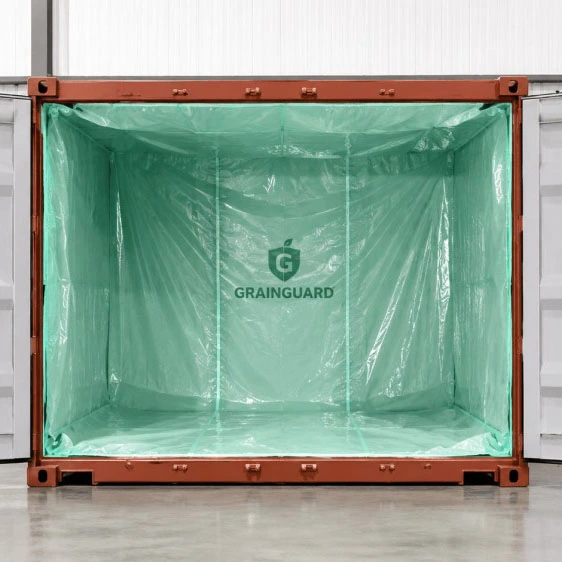
International coffee shipments may spend weeks in transportation. A hermetic inner liner can provide additional protection throughout the logistics chain, particularly when shipments pass through regions with different climatic conditions.
| Feature | Conventional Jute Bag | Hermetic Jute Liner System |
|---|---|---|
| Outer mechanical protection | Strong | Strong when combined with jute |
| Moisture barrier | Limited | Enhanced through inner barrier |
| Air exchange control | Limited | Improved after proper sealing |
| Odor protection | Limited | Enhanced |
| Long-distance storage support | Depends strongly on environmental conditions | Provides additional protection |
| Traditional appearance | Yes | Yes, when used with a jute outer bag |
The comparison demonstrates that the two packaging approaches do not necessarily compete with each other. In many applications, the hermetic liner complements the jute bag rather than replacing it.
Choosing the correct liner requires more than checking the dimensions. Coffee companies should evaluate the entire supply chain and understand how the packaging will be filled, sealed, transported, stored, and eventually opened.
Important factors include:
For large coffee exporters and importers, supplier capability is just as important as the liner itself. Consistent manufacturing, quality control, production capacity, and communication can directly affect packaging reliability.
Hermetic jute liners can support different stages of the green coffee supply chain.
Even the best Green Coffee Bean Hermetic Jute Liner requires proper handling to achieve its intended performance.
Recommended practices include:
These practices are especially important because packaging performance depends on the entire system. A high-quality liner cannot compensate for improperly dried coffee, damaged packaging, poor sealing, or unsuitable warehouse conditions.
When purchasing hermetic liners in commercial quantities, buyers should request clear technical information from the supplier rather than evaluating the product solely by appearance or unit price.
| Buyer Concern | What to Confirm |
|---|---|
| Material | Material composition, structure, thickness, and barrier characteristics |
| Dimensions | Length, width, opening design, and compatibility with the outer bag |
| Sealing | Recommended sealing method and closure performance |
| Production | Manufacturing capacity and repeat-order consistency |
| Customization | Available dimensions, specifications, and packaging options |
| Quality control | Inspection procedures and production quality management |
| Logistics | Packaging method, lead time, and export experience |
A reliable supplier should be able to explain not only what the liner is made from, but also how it is intended to perform in the customer's specific coffee supply chain.
It is an inner protective liner used with jute coffee bags to create a more controlled storage environment for green coffee beans. It is designed to provide additional protection against moisture, air exchange, and external environmental influences.
Jute provides excellent mechanical strength and traditional coffee packaging characteristics, but it does not provide the same barrier properties as a dedicated inner liner. Combining the two can provide both structural protection and improved environmental isolation.
Many commercial suppliers can provide customized liner dimensions and specifications according to bag size, filling weight, sealing requirements, and application conditions. Buyers should confirm available customization options directly with the manufacturer.
They can be particularly useful for international logistics because shipments may experience significant changes in humidity and temperature. Proper sealing and suitable storage conditions remain essential.
No. Hermetic packaging is an additional protective measure rather than a substitute for proper drying, hygienic handling, suitable warehouse conditions, and responsible inventory management.
Buyers should consider material quality, dimensional accuracy, sealing performance, production consistency, customization capability, quality control, lead time, and the supplier's experience with commercial packaging requirements.
Green coffee quality can be affected long before the beans reach a roasting facility. Moisture, oxygen exchange, odors, temperature changes, and extended transportation can all create challenges for exporters, importers, traders, and roasters.
A Green Coffee Bean Hermetic Jute Liner provides a practical packaging solution by combining the traditional strength and handling characteristics of jute with an additional inner protective barrier. When properly selected, sealed, transported, and stored, this packaging approach can help businesses create a more controlled environment for green coffee beans.
For commercial buyers, the most important step is to look beyond the liner's basic appearance. Material structure, dimensions, sealing performance, manufacturing consistency, customization capability, and supplier reliability all deserve careful evaluation.
SYON Packaging Technology (Qingdao) Co., Ltd. focuses on packaging solutions designed around practical supply-chain requirements. For coffee exporters, importers, traders, and other businesses looking for suitable hermetic liner solutions, working with an experienced packaging supplier can make product selection and long-term procurement more efficient.
Looking for a suitable Green Coffee Bean Hermetic Jute Liner for your coffee packaging project? Contact us to discuss your bag size, capacity, liner specifications, sealing requirements, customization needs, and expected application. Contact us to explore a packaging solution designed for your specific green coffee supply chain.
Copyright © 2026 SYON Packaging Technology(Qingdao)Co., Ltd. All rights reserved.